Sermons That Exalt Christ
The preaching of God’s Word is central to the life of the church. Tom's pulpit ministry is dedicated to providing clear, biblical teaching to equip believers, strengthen faith, and exalt Christ.

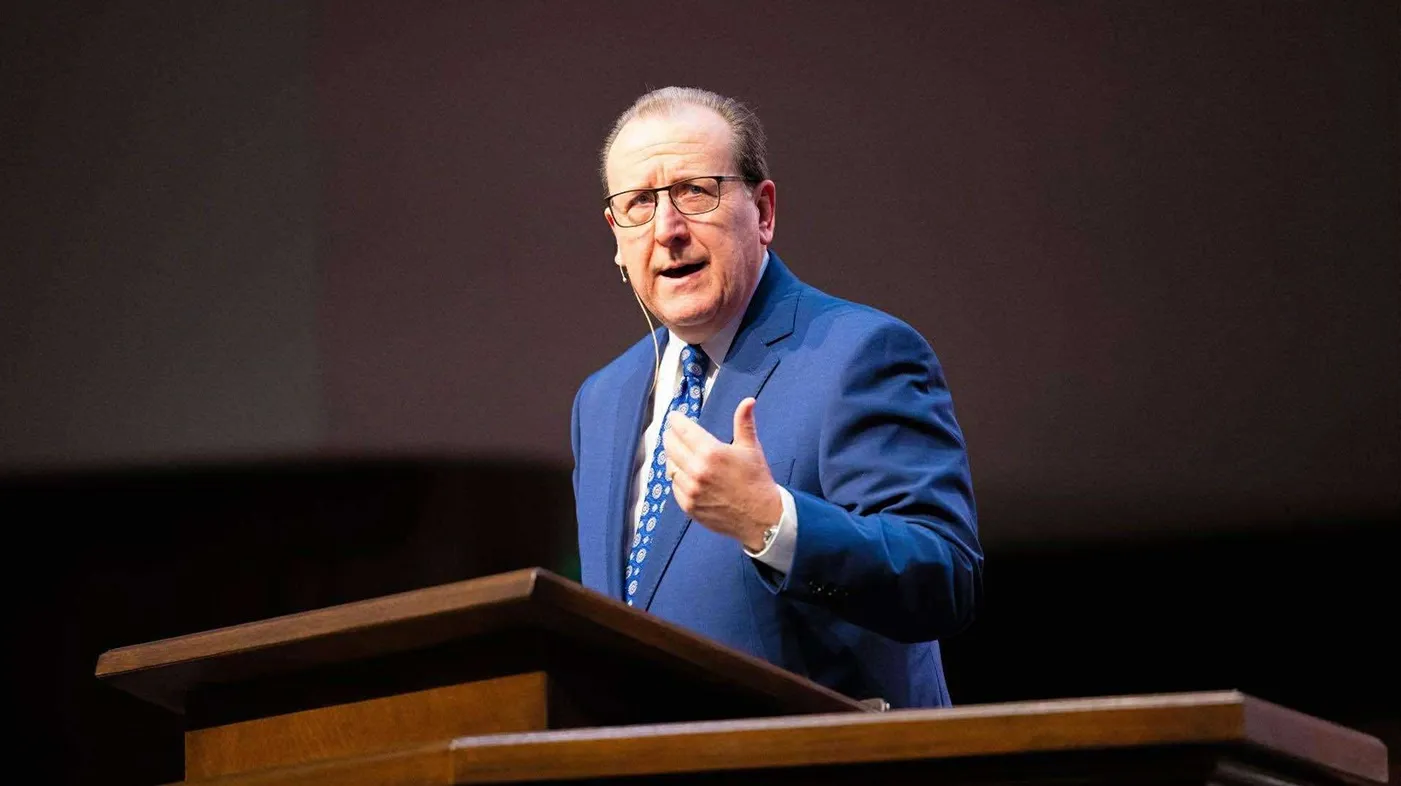
Engage with the most recent teaching from God’s Word.
The preaching of God's Word is central to worship and of the utmost importance for the sanctification of every believer in Christ.

.jpg)
.jpg)

Explore messages organized to help you grow in Christ.
Search and filter sermons for quick access.
Four Soils - Part 1
Pastor Tom Pennington examines Matthew 13:1-23, using the Parable of the Sower to explain varied responses to Jesus' ministry and reconcile divine sovereignty with human responsibility. The parable describes four types of soil: hard-packed paths, where seeds are devoured by birds, symbolizing those who hear but lack understanding, allowing Satan to snatch the message; rocky ground, where seeds sprout quickly but wither without deep roots, representing superficial enthusiasm that fades under adversity; thorny soil, where weeds choke the growth, illustrating faith suffocated by worldly worries and desires; and good soil, which yields abundant crops, signifying those who hear, understand, and bear lasting fruit. Jesus explained that He spoke in parables to reveal truth to those "granted" understanding (His disciples) and simultaneously conceal it from those whose hearts were dull and unwilling to perceive. Unbelief is attributed both to Satan's blinding influence and individuals' *own* active choice to love darkness and sin, thus bearing personal responsibility. Conversely, genuine faith and spiritual understanding are entirely the result of God's sovereign grace and election, meaning believers can take no credit for their prepared hearts.
When Empires Fall - Part 1
This sermon on Daniel 5 explores God's absolute sovereignty over the rise and fall of empires, framing it as a "divine philosophy of history." The narrative highlights Babylon's grandeur under Nebuchadnezzar, contrasting it with its sudden demise. The chapter focuses on one fateful night when King Belshazzar, a wicked co-regent, defiantly hosts a lavish feast despite Cyrus the Great's Persian army besieging the seemingly impregnable city. In a drunken act of blasphemy, Belshazzar orders sacred vessels taken from Yahweh's Temple to be used for drinking, a direct challenge to God and Daniel's prior prophecy of Babylon's fall. Suddenly, a disembodied hand appears and writes an inscrutable message on the wall, terrifying the king. His wise men are baffled, unable to read or interpret the inscription. The Queen Mother, remembering Daniel's extraordinary wisdom under Nebuchadnezzar, suggests he be summoned. This sets the stage for Daniel to interpret the divine message, powerfully reinforcing the sermon's core lesson: no government, leader, or empire, no matter how defiant or protected, is beyond God's immediate reach and ultimate control. God, who remains unmoved and unchallenged, holds all rulers accountable and executes His eternal plan for history.
Human Responsibility - Part 2
This sermon on Romans 9:30 � 10:21 addresses why few Jewish people believed in their Messiah, emphasizing human responsibility alongside divine election. Paul explains that Gentiles attained righteousness by faith without pursuing the Law, while Jews, seeking righteousness through works, failed. This failure stems from misunderstanding the Law's purpose and, critically, "stumbling over the Messiah." Jesus is presented throughout Scripture as the "Cornerstone"�a foundational, tested stone by which all else is measured. For believers, He is precious; for those who reject Him, He becomes a "stone of stumbling and a rock of offense," leading to destruction. Many today still stumble over Jesus due to His divine, sinless, and exclusive claims, and the humbling message of His cross that offends human pride. Ultimately, there are only two responses to Christ: either one believes and builds their life upon Him as the sole Cornerstone for salvation, or they reject Him through antagonism or apathy, leading to being crushed. True faith means Christ becomes the central foundation of one's life, and God promises that believers will never be disappointed or shamed at judgment, as their hope rests securely in Him.
Heaven Rules - Part 2
Pastor Tom Pennington introduces Daniel 4 with the theme: "only God is great." The chapter, written by King Nebuchadnezzar, recounts his troubling dream. A magnificent tree, representing his vast empire and personal glory, was to be cut down, leaving a stump, and he would live as an animal for "seven periods of time." Daniel, troubled by the dream�s meaning, explained that Nebuchadnezzar would suffer from boanthropy�believing he was an ox�for seven years until he recognized God's supreme sovereignty. Daniel urged the king to repent, turn from his sins, and show mercy to the poor, suggesting this could bring temporal blessing or genuine salvation. Despite God's patient 12-month grace period, Nebuchadnezzar's profound pride, expressed while admiring Babylon's splendor, triggered the immediate fulfillment of the prophecy. He was driven from mankind, living like a beast, his body physically transforming. After seven years, Nebuchadnezzar humbled himself, "raised his eyes toward heaven," and his reason and kingdom were restored. He then praised God, recognizing His unending sovereignty, unstoppable power, unchangeable plans, and unfathomable mercy.
I Will Build My Church
Countryside Bible Church celebrated its 40th anniversary by launching its first official church plant, Northlake Bible Church, a plan 11 years in the making. Pastor Tom Pennington laid out the biblical foundation, citing Jesus' promise in Matthew 16, "I will build My church," founded on the confession of Him as the Christ, Son of the Living God. The Great Commission (Matthew 28) mandates making disciples, baptizing, and teaching, which the sermon explains is accomplished by establishing local churches where believers are discipled under elder authority. The early church in Acts modeled this, from Jerusalem's expansion to Antioch's active missionary sending, establishing churches and appointing leaders. Countryside seeks to follow this pattern. The Northlake plant, led by Elder Dusty Burris, aims for 35 families in a fast-growing area near Argyle and Justin. They will initially meet in a local school, with an official launch set for March 2020. The church also proposes purchasing 11.5 acres of land in a new development for a long-term home, pending a congregational vote. Members considering joining the plant are called to commitment, sacrifice, and service.
Human Responsibility - Part 1
Tom Pennington�s sermon on Romans 9:30-10:21 addresses why most Jewish people rejected their Messiah, attributing it to "human responsibility." This section of Romans clarifies the relationship between God's divine election and man's free will. Pennington asserts that while salvation is solely a result of divine election, condemnation is entirely due to human responsibility. He illustrates this with the analogy of a death row inmate: their guilt is their own, but a pardon is the governor's sovereign grace. The sermon identifies Israel's primary failure as a misunderstanding of God's Law. They pursued "righteousness by works" rather than "by faith." Paul argues that the Law was never intended as a means of self-justification. Instead, its purpose is to expose sin and demonstrate humanity's inability to meet God's perfect standards, thereby leading individuals to Christ for salvation through faith. Israel's refusal to embrace salvation on God's terms, evidenced by their disobedience and obstinacy despite clear Old Testament prophecies, makes their unbelief inexcusable, a message of personal accountability for unbelief that applies universally.
No Results Found.
We couldn’t find anything matching your search.
Explore The Word Unleashed
Our ministry brings together expository preaching, theological precision, and practical application for the good of Christ's church and the daily living of Christ's people.
.webp)
Sermons
Listen to expository sermons that clearly teach God’s Word and guide you in daily living.

Radio
Tune in to gospel-centered programs that share biblical truth and strengthen your daily walk with Christ.
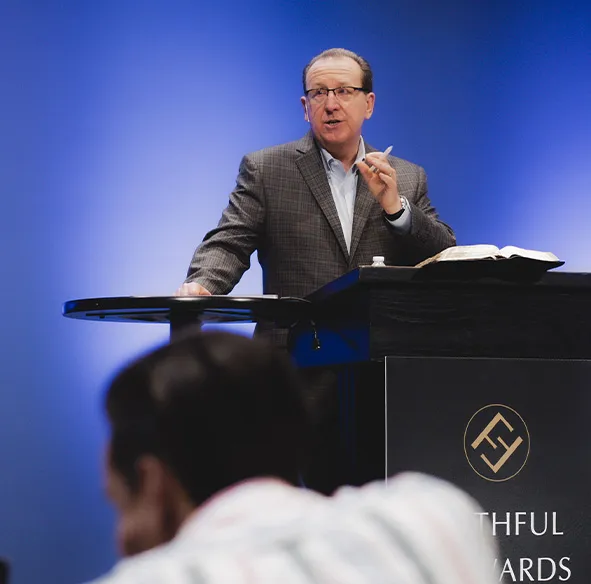
Training
Join courses and workshops designed to deepen your faith and equip you to serve others with biblical wisdom.
.webp)
From the Pastor's Desk
Read pastoral messages that encourage, instruct, and help you apply God’s Word to every part of your life.
.webp)
Hymns
Discover timeless hymns that lift your heart in worship and remind you of God’s abounding grace and faithfulness.
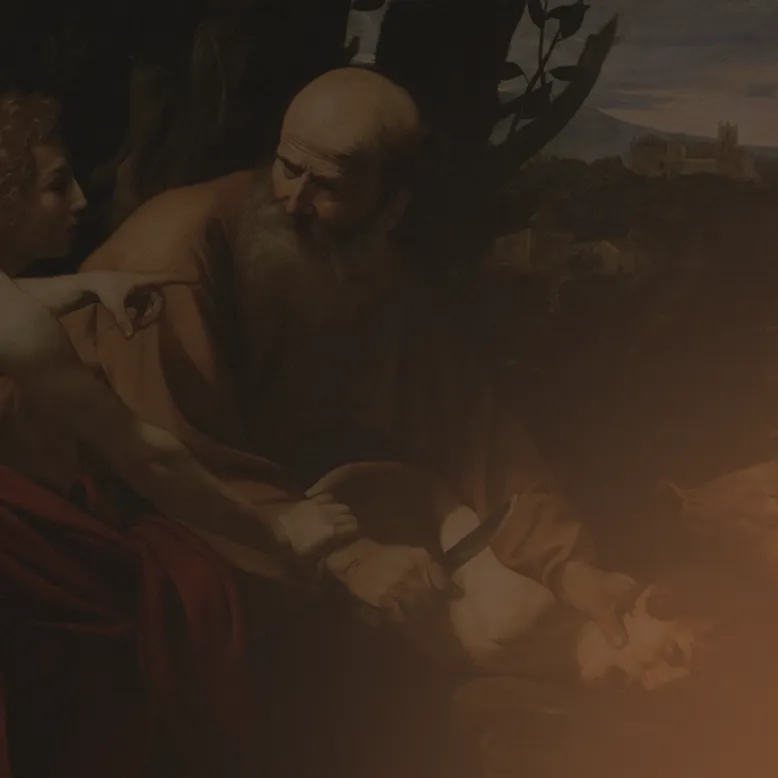
Podcasts
Stay rooted in Scripture through our podcast series.