Sermons That Exalt Christ
The preaching of God’s Word is central to the life of the church. Tom's pulpit ministry is dedicated to providing clear, biblical teaching to equip believers, strengthen faith, and exalt Christ.

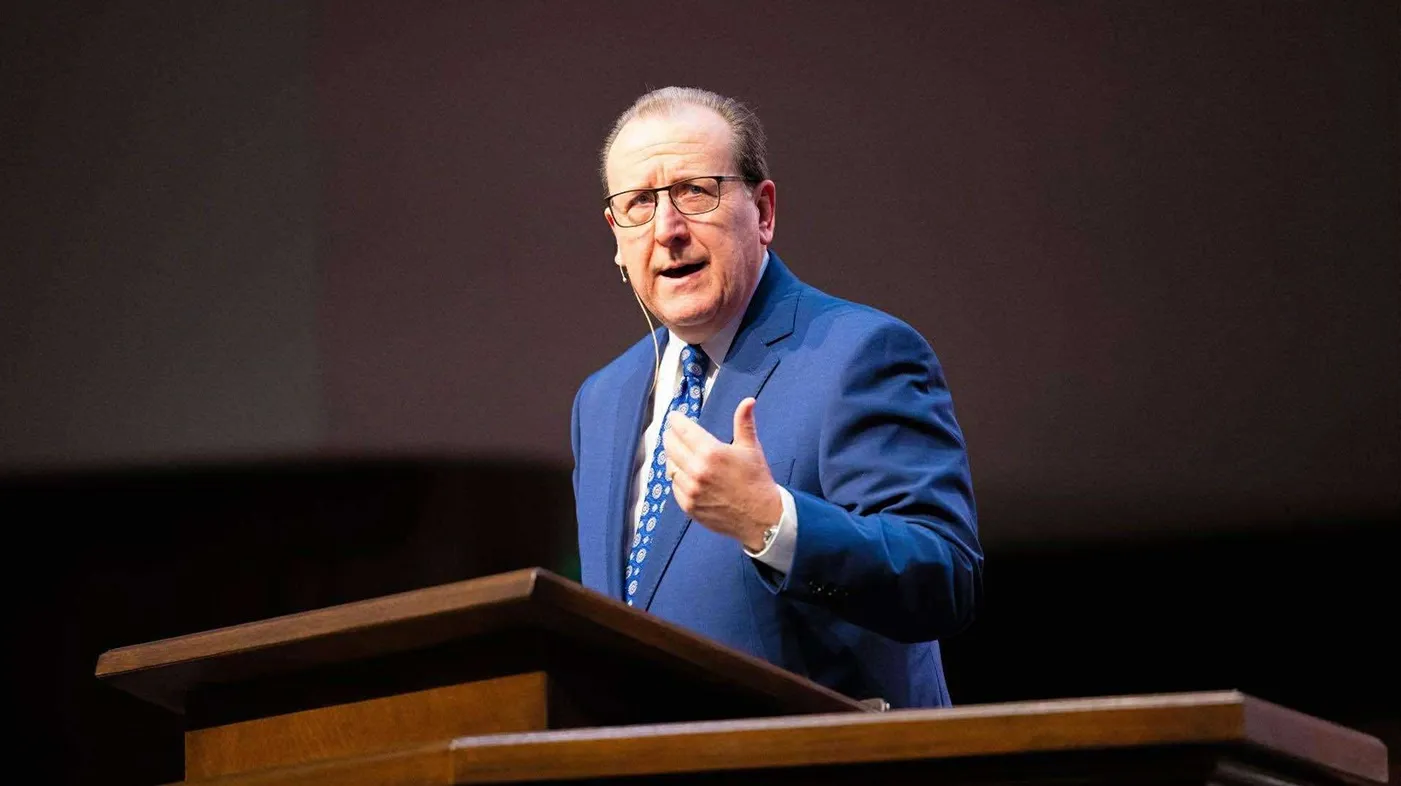
Engage with the most recent teaching from God’s Word.
The preaching of God's Word is central to worship and of the utmost importance for the sanctification of every believer in Christ.

.jpg)
.jpg)

Explore messages organized to help you grow in Christ.
Search and filter sermons for quick access.
Lord Willing - Part 2
Pastor Tom Pennington's sermon on James 4:13-17, "James Lord Willing (Part 2)," addresses our human illusion of control over life, particularly in the face of current global crises. He emphasizes God's absolute sovereignty and providence, stating God controls all life's details. The text critiques those who plan their future without acknowledging God, calling such actions irrational due to life's uncertainty and brevity (we are "just a vapor"). The proper response, from James 4:15, is humble acceptance of God's providence. This means genuinely understanding, acknowledging, and submitting to His eternal plan for our existence and future activities, not merely uttering "If the Lord wills" superficially. It also entails obeying God's moral will. Refusing this submission is identified as "cosmic arrogance"�boasting in self-sufficiency�and a "deliberate sin" of omission, for failing to do what we know is right. This reveals our profound need for God's grace and Christ's perfect righteousness. Believers are thus called to joyfully submit to God's will in all circumstances, giving thanks for His wise and sovereign control, a posture in direct opposition to self-assured pride.
Why the Pandemic? Understanding God's Role and Purpose
In an online Sunday evening service, Pastor Tom Pennington explored the biblical perspective on the COVID-19 pandemic, addressing the widespread question of "why." He dismissed secular explanations like randomness, environmental revenge, or capitalist greed, and also rejected liberal Christian views that detach God from such events. Pennington presented two core biblical assertions regarding disasters. First, God is ultimately responsible for all global disasters. Rooted in humanity's Fall, these events are expressions of God's just judgment. While sometimes immediately caused by human sin, Satanic activity (permitted by God), or direct divine action, God consistently acts justly and with mercy. Second, God always uses disasters to accomplish profound spiritual and eternal goals. These purposes include fostering a fear of God, executing temporal judgment on sin, sanctifying believers by building perseverance and hope, and driving sinners to repentance as a gracious "wake-up call." Ultimately, these events serve to display God's name and glory throughout the earth. Pennington urged listeners to respond by exalting God, confessing sins, allowing personal sanctification, and sharing the gospel, finding confidence in God's unfailing love and sovereignty.
Lord Willing - Part 1
Tom Pennington's sermon "Lord Willing (Part 1)" (James 4:13-17), delivered in March 2020, confronts human self-sufficiency during unexpected crises like the pandemic, asserting that despite detailed plans, humans lack ultimate control. This contrasts with God's absolute sovereignty and providence. The sermon critiques "self-determinism," the illusion that life is solely a result of one's own will. Pennington defines God's **sovereignty** as His comprehensive control and **providence** as the active outworking of His will through all events, even human choices, to accomplish His purposes. This truth comforts believers but often offends unbelievers. James 4:13-14 targets believers who, despite doctrinal affirmation, demonstrate "practical atheism" by planning with arrogant self-confidence, omitting God. This independent mindset is irrational because life is inherently **uncertain** ("you do not know what your life will be like tomorrow") and **short** ("you are just a vapor"). God alone determines life's events and duration. The sermon concludes by urging believers to consistently acknowledge God's sovereignty in all plans and decisions, joyfully submitting to His perfect will, and offers a gospel call for readiness for eternity.
In the Shadow of the Almighty
In his March 22, 2020 sermon, "In the Shadow of the Almighty Psalm 91," Pastor Tom Pennington addresses the fear surrounding the COVID-19 pandemic, presenting Psalm 91 as a timeless message to replace apprehension with faith in God. Pennington clarifies that Psalm 91 is not a promise of immunity from suffering, death, or an excuse for carelessness. Instead, it assures believers that God protects His children from every danger He has not wisely and lovingly designed to bring into their lives. He structures the psalm�s interpretation into four parts: a general declaration of God's protection (v.1), a personal confession of trust in Yahweh (v.2), and a biblical exhortation highlighting God's protection as universal, individual, and supernatural (v.3-13). Finally, God Himself affirms His promises (v.14-16), defining trust as loving Him, knowing His name, and calling upon Him. God promises deliverance, security, answers to prayer, His presence in trouble, rescue, honor, and ultimately, eternal salvation. The sermon concludes by emphasizing that God is in control, His protection is absolute, trials are part of His wise plan, and He will ultimately bring believers through all dangers into eternal glory, urging listeners to replace fear with this unwavering trust.
Worried Sick
Pastor Tom Pennington's March 2020 sermon, "Worried Sick," addresses the widespread anxiety during the early COVID-19 pandemic, emphasizing that for followers of Jesus, worry about the future is never justified and is, in fact, a sin "far deadlier than the coronavirus." Citing Matthew 6:25-34, Pennington explains Jesus' command not to worry. Arguments against worry stem from God's character as a providing Father (caring for birds and lilies, much more His children), the importance of kingdom priorities, and the simple logic that "tomorrow will care for itself; each day has enough trouble of its own." Worry is wrong because it's self-destructive, a sign of unbelief, and dwells on untruths. To combat it, believers must "live in today" by trusting God's providence for tomorrow, dealing only with today's troubles, praying about future legitimate concerns, and actively doing what's necessary *today* to prepare for the future. The sermon clarifies that God provides grace only for *today's* troubles, not for anticipating future burdens. Pennington also urges non-believers to worry, not about the virus, but about their eternal state, repenting and trusting Christ as Savior, recognizing that worry can be a spiritual cul-de-sac while faith is a thoroughfare leading to God and action.
Q & A
In a Q&A session, Pastor Tom Pennington tackled several biblical and contemporary questions. On prayer, he explained that while typically directed to the Father through the Son's mediation, it is appropriate to address both the Son and Holy Spirit, recognizing their distinct roles within the Godhead. Regarding the social justice movement, he highlighted its origins in Marxist Critical Race Theory and Intersectionality, which promote unbiblical concepts of collective guilt (Ezekiel 18) and power redistribution. He affirmed that racism is unequivocally sin but emphasized that the Gospel, not a secular framework, is the true biblical answer, warning against compromising the Gospel and Christian unity. He clarified that evil originated from Lucifer�s pride (Ezekiel 28), and God permitted it to display the richness of His glory and grace (Romans 9). Cremation is deemed an issue of conscience, not directly commanded or forbidden in Scripture, though the biblical pattern of burial reflects the hope of resurrection. The promise of long life for obeying parents encompasses both practical wisdom preventing premature death and God's providential blessing for honoring authority.
No Results Found.
We couldn’t find anything matching your search.
Explore The Word Unleashed
Our ministry brings together expository preaching, theological precision, and practical application for the good of Christ's church and the daily living of Christ's people.
.webp)
Sermons
Listen to expository sermons that clearly teach God’s Word and guide you in daily living.

Radio
Tune in to gospel-centered programs that share biblical truth and strengthen your daily walk with Christ.
Training
Join courses and workshops designed to deepen your faith and equip you to serve others with biblical wisdom.
.webp)
From the Pastor's Desk
Read pastoral messages that encourage, instruct, and help you apply God’s Word to every part of your life.
.webp)
Hymns
Discover timeless hymns that lift your heart in worship and remind you of God’s abounding grace and faithfulness.
Podcasts
Stay rooted in Scripture through our podcast series.