Sermons That Exalt Christ
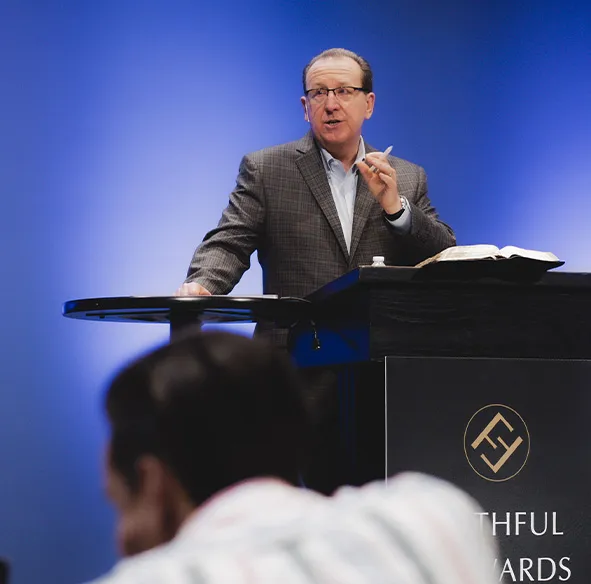
The preaching of God’s Word is central to the life of the church. Tom's pulpit ministry is dedicated to providing clear, biblical teaching to equip believers, strengthen faith, and exalt Christ.


Engage with the most recent teaching from God’s Word.
The preaching of God's Word is central to worship and of the utmost importance for the sanctification of every believer in Christ.

.jpg)
.jpg)

Explore messages organized to help you grow in Christ.
Search and filter sermons for quick access.
God Is Faithful
Tom Pennington's sermon "God is Faithful" contrasts human unfaithfulness�our tendency to lie, change minds, and lack power�with God's perfect, unchanging nature. Drawing from scriptures like Numbers 23:19 and Lamentations 3:23, he establishes God's faithfulness as fundamental to His character. This faithfulness encompasses His moral reliability, meaning He always speaks truth and keeps His promises, and His relational loyalty to His people. Pennington emphasizes the profound practical implications of God's faithfulness for believers. It sustains all creation, guarantees every divine promise, and actively protects individuals from both sin (by providing a way of escape) and Satan. Furthermore, God's faithfulness ensures forgiveness when sins are confessed, provides deep comfort during trials, offers hope amidst suffering and persecution, and ultimately guarantees the believer's final salvation and blameless presentation before Christ. The sermon concludes by urging listeners to find joy, comfort, and peace in the overwhelming and eternal faithfulness of God, who remains true even when humanity falters.
The Heart of the Christian Life - Part 3
Pastor Tom Pennington's sermon, "Romans: The Heart of The Christian Life (Part 3)," addresses Romans 12:9-21, emphasizing that God is concerned not only with our circumstances but also with our responses, which reveal our hearts. The passage's central theme is genuine, unhypocritical love. Focusing on Romans 12:12-13, Pennington details how Christians should respond to difficult circumstances. For personal trials, believers are urged to "rejoice in hope." This is not wishful thinking but a "joyful expectation and confidence of future good," grounded in the certainty of Christ's return, seeing God's glory, and sharing in it eternally, which makes present sufferings seem "momentary and light." Alongside this, we must "persevere in tribulation," actively enduring life's pressures, knowing that trials produce endurance, proven character, and strengthen our hope, with the Holy Spirit empowering both. In both personal and shared difficulties, Christians should be "devoted to prayer," continually turning to God in faith. For others' needs, love is expressed by "contributing to the needs of the saints," sharing material resources with fellow believers and entering into fellowship with them in their struggles. Additionally, "practicing hospitality" means actively pursuing opportunities to welcome and care for Christian strangers, using one's home for God's kingdom without complaint.
The Rest of the Story: From Resurrection to Ascension
Pastor Tom Pennington's sermon, "The Rest of the Story," delves into Jesus' ministry between His resurrection and ascension, a crucial 40-day period often overlooked. He outlines a timeline, placing the resurrection on April 9th, 30 A.D., and the ascension 40 days later on May 17th. The central focus of this time was Jesus' 11 post-resurrection appearances to over 500 individuals, including Mary Magdalene, the Emmaus Road disciples, Peter, Thomas, and a large group in Galilee during the Great Commission. These appearances served as "many convincing proofs" of His resurrection, an essential part of the Gospel, and provided teaching on the "kingdom of God" (Acts 1:3). The Ascension itself marked Jesus' intentional departure to heaven, signifying His exaltation, role as High Priest and Advocate, and the sending of the Holy Spirit. Pennington also notes three post-ascension appearances to Stephen, Paul, and John. A key lesson from the Emmaus Road narrative emphasizes Jesus' individual care for each disciple, His commitment to preserve their faith, and, importantly, that His primary method for strengthening belief is through the thorough explanation of Scripture, rather than solely through miraculous visions.
The Heart of the Christian Life - Part 2
In his sermon on Romans 12:9-21, Pastor Tom Pennington addresses the challenging times faced by his congregation, emphasizing that God is concerned not only with their circumstances but also with their responses, which reveal their hearts. He highlights that genuine love, as introduced in Romans 12:9 ("Let love be without hypocrisy"), is the core of Christian life and is practically expressed through how believers respond to difficult situations. Pennington outlines several key responses: First, Christians are called to **rejoice in hope**, a "happy certainty" of God's future glory, which provides joy and confidence even amidst present suffering and trials. Second, they must **persevere in tribulation**, actively enduring difficulties, understanding that such pressures build character and deepen hope. Both hope and perseverance are ultimately God-given and Spirit-produced. Third, believers demonstrate love by being **devoted to prayer** for themselves and others, showcasing their trust in God. Finally, love compels Christians to **contribute to the material needs of the saints**, sharing resources and entering into fellowship with those facing hardship, and to **practice generous hospitality**, actively welcoming and caring for unknown believers to advance God's kingdom.
It Is Finished!
Pastor Tom Pennington's Easter sermon, delivered remotely during the pandemic, centers on Jesus's sixth saying from the cross: "It is finished!" (John 19:30). He explains this translates to the single Greek word "tetelestai," a perfect tense verb signifying "it has been finished." This declaration was intentional, as Jesus knowingly fulfilled scripture and orchestrated events to make this powerful pronouncement. It was also pictorial, recalling first-century uses like a servant completing a task, a mission accomplished, a perfect sacrifice, an artist finishing a masterpiece, and, most vividly, a debt paid in full. Theologically, "tetelestai" means Jesus fulfilled all Old Testament messianic prophecies, completed His vicarious suffering and earthly mission, and fully satisfied God's justice and wrath against sin. This signifies He purchased complete forgiveness for sins and eternally earned salvation for every believer, emphasizing that salvation is a gracious gift received by faith in His completed work. The cry is intensely personal, inviting a response: believers should deepen their love and commitment to follow Jesus, while non-believers are called to trust in Christ's finished work, confessing Him as their Lord and God. The Resurrection serves as the Father's divine "Amen" to Jesus's triumphant declaration.
No Results Found.
We couldn’t find anything matching your search.
Explore The Word Unleashed
Our ministry brings together expository preaching, theological precision, and practical application for the good of Christ's church and the daily living of Christ's people.
.webp)
Sermons
Listen to expository sermons that clearly teach God’s Word and guide you in daily living.

Radio
Tune in to gospel-centered programs that share biblical truth and strengthen your daily walk with Christ.
Training
Join courses and workshops designed to deepen your faith and equip you to serve others with biblical wisdom.
.webp)
From the Pastor's Desk
Read pastoral messages that encourage, instruct, and help you apply God’s Word to every part of your life.
.webp)
Hymns
Discover timeless hymns that lift your heart in worship and remind you of God’s abounding grace and faithfulness.
Podcasts
Stay rooted in Scripture through our podcast series.