Sermons That Exalt Christ
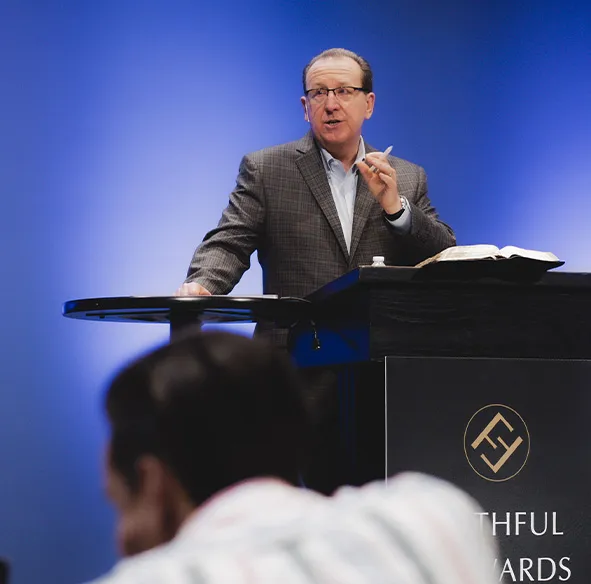
The preaching of God’s Word is central to the life of the church. Tom's pulpit ministry is dedicated to providing clear, biblical teaching to equip believers, strengthen faith, and exalt Christ.


Engage with the most recent teaching from God’s Word.
The preaching of God's Word is central to worship and of the utmost importance for the sanctification of every believer in Christ.

.jpg)
.jpg)

Explore messages organized to help you grow in Christ.
Search and filter sermons for quick access.
Taking Control of Every Thought
In "Taking Control of Every Thought," Pastor Tom Pennington emphasizes the biblical call for believers to discipline their minds and control their thoughts, an issue he considers far-reaching. He identifies nine common sources of thoughts: our basic nature (flesh or spirit), God (through providence and His Word), Satan (who indirectly influences thoughts), our unredeemed "flesh" (leading to sinful thinking like anger, lust, and bitterness), the world's philosophies, other people, ingrained thinking habits, emotions, and external circumstances (which merely serve as a stage for other influences). Pennington highlights two core biblical commands: to control every thought, taking them captive to Christ's obedience (2 Corinthians 10:5), and to cultivate godly, biblical thoughts through consistent meditation on Scripture (Joshua 1:8, Romans 12:2). Crucial implications include recognizing that *we* are in control of our thoughts, not our minds, and the vital practice of "stopping listening to yourself and starting talking to yourself" with divine truth. Practical applications involve consciously choosing thoughts, forcing mental focus, limiting digital distractions, scheduling time for less productive activities, using lists for ideas, writing to concentrate, choosing a daily Scripture for meditation, and regularly preaching biblical truths to oneself.
Tribulation Saints - Part 1
Pastor Tom Pennington challenges the belief that no one can be saved during the Tribulation if they previously rejected the gospel, asserting this view misrepresents God's saving character. He explains Revelation 7 as an interlude between divine judgments, revealing God's "unparalleled grace" during the Tribulation. This chapter answers "who can stand?" by introducing two groups. First, God commissions 144,000 Jewish missionaries�12,000 from each of Israel's tribes, literally understood�to spread the gospel worldwide. These "bond-servants" are sealed by God on their foreheads, signifying His ownership and providing protection from further divine wrath and enemies until their mission is complete. They serve as "first fruits" of a broader Jewish salvation. Second, through their ministry, an innumerable multitude from every nation will come to faith. This passage highlights God's unwavering heart as a Savior, the necessity of the gospel, and emphasizes the priority of evangelism for believers today. God�s ultimate purpose is redeeming a people for His Son.
Do Not Love the World
Pastor Tom Pennington addresses the neglected biblical concept of worldliness from 1 John 2:15-17, urging believers not to love "the world nor the things in the world." He dispels common misunderstandings, clarifying that worldliness is not isolation from sinners, legalistic rules, asceticism, or self-justification, but rather a deep affection and devotion to the "kosmos"�Satan's organized system hostile to God. This evil system manifests through "the lust of the flesh" (self-gratification of fallen desires), "the lust of the eyes" (covetousness and sinful pleasure in what's seen), and "the boastful pride of life" (self-promotion at God's expense). Loving this world is incompatible with loving God, stems from sinful internal lusts, aligns one with Satan's kingdom, and is foolishly short-sighted as the world is passing away. The sermon concludes by presenting this teaching as a test of genuine faith, a warning against temptation, and an encouragement that true Christians, through faith in Christ, will ultimately overcome the world.
A Child of the Father
Tom Pennington's sermon on 1 John 2:12-14, "A Child of the Father," argues that this passage is crucial for understanding a Christian's love for God. Dispelling common interpretations of it as a digression, Pennington presents these verses as defining three distinct stages of spiritual growth, not merely one or two, to confirm believers' assurance. The first stage, "Spiritual Childhood," is characterized by the *forgiveness of sins*�a one-time, complete legal pardon granted through Jesus Christ's sacrifice�and *knowing God as Father* through the new birth and adoption. This foundational experience marks the beginning of the Christian life. The "Spiritual Youth" stage represents the *progress* in a believer's journey. These "young men" are strong and "overcome the evil one" because God's Word "abides in them," leading to sanctification and growing obedience. This stage is vital for developing spiritual strength. The ultimate *goal* is "Spiritual Adulthood," where "fathers" possess a deep, progressive knowledge of and love for *Jesus Christ* as both Teacher and Lord. Spiritual growth is an inevitable, though gradual, process for true believers, primarily nurtured through consistent engagement with God's Word.
Loving One Another - Part 2
The sermon "1 John Loving One Another (Part 2)" posits that genuine, active love for fellow Christians is a definitive test of true faith, flowing from God's nature and empowered by the Holy Spirit. Using the irony of football players fighting despite having "Stop Hate" and "Be Love" on their helmets, Pastor Pennington illustrates humanity's tendency to redefine biblical love. The passage 1 John 2:9-11 distinguishes between a "false Christian," who claims light but fails to love (remaining in darkness), and a "true Christian," whose consistent, purposeful `agape` love defines them. This divine love is an intelligent decision to seek another's greatest good, expressed sacrificially, practically (meeting needs), and relationally (patient, kind, forgiving). Such love grants believers biblical assurance of salvation and spiritual stability, preventing them from ultimate destruction. Conversely, a professing Christian lacking this genuine love deceives themselves, remaining in spiritual darkness, constantly practicing sin, and blindly heading toward eternal peril. The sermon concludes by urging an honest self-assessment of one's love for others as a critical indicator of true faith, calling those found wanting to repent and embrace the gospel.
The First Six Seals: The Tribulation Begins - Part 2
This sermon analyzes Revelation chapter 6, focusing on the first six seals that initiate the Great Tribulation. The initial four seals, known as the Four Horsemen of the Apocalypse, describe events occurring in the tribulation's first half: Antichrist's false peace, global warfare, severe famine, and death claiming a quarter of the world's population. The fifth seal shifts to a heavenly scene, revealing the souls of tribulation martyrs beneath God's altar. These believers, slain for their faith during the first half of the tribulation, cry out for divine justice against their earthly persecutors. God comforts them with white robes, symbolizing their justification, and instructs them to rest until His sovereign plan for both salvation and further martyrdom is fulfilled. The sixth seal then unleashes a series of catastrophic, supernatural disasters: a worldwide earthquake, the sun turning black, the moon appearing blood-red, a massive meteor shower, the sky splitting apart, and mountains and islands shifting. These cataclysms induce universal terror, causing people of all social strata to hide in caves, preferring death over facing the wrath of God and the Lamb.
No Results Found.
We couldn’t find anything matching your search.
Explore The Word Unleashed
Our ministry brings together expository preaching, theological precision, and practical application for the good of Christ's church and the daily living of Christ's people.
.webp)
Sermons
Listen to expository sermons that clearly teach God’s Word and guide you in daily living.

Radio
Tune in to gospel-centered programs that share biblical truth and strengthen your daily walk with Christ.
Training
Join courses and workshops designed to deepen your faith and equip you to serve others with biblical wisdom.
.webp)
From the Pastor's Desk
Read pastoral messages that encourage, instruct, and help you apply God’s Word to every part of your life.
.webp)
Hymns
Discover timeless hymns that lift your heart in worship and remind you of God’s abounding grace and faithfulness.
Podcasts
Stay rooted in Scripture through our podcast series.