Sermons That Exalt Christ
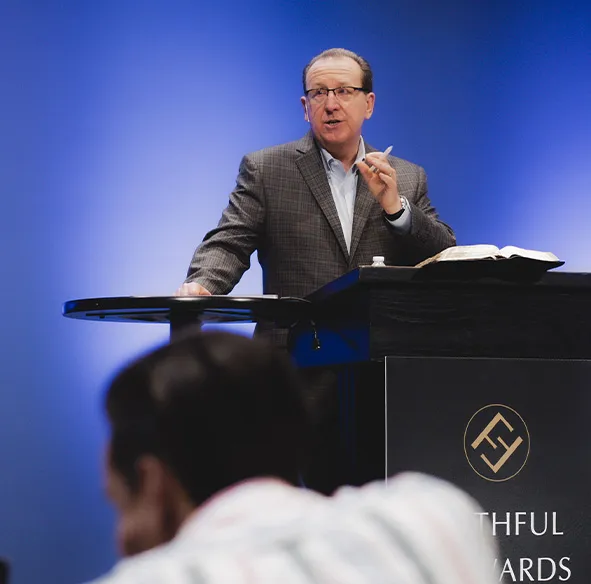
The preaching of God’s Word is central to the life of the church. Tom's pulpit ministry is dedicated to providing clear, biblical teaching to equip believers, strengthen faith, and exalt Christ.


Engage with the most recent teaching from God’s Word.
The preaching of God's Word is central to worship and of the utmost importance for the sanctification of every believer in Christ.

.jpg)
.jpg)

Explore messages organized to help you grow in Christ.
Search and filter sermons for quick access.
A House of Clay
Pastor Tom Pennington's sermon, "A House of Clay," delves into the profound question of why Jesus Christ had to become fully human, drawing extensively from the book of Hebrews. He identifies four key reasons for the incarnation. First, **Revelation**: Jesus came to perfectly reveal God's nature and character to humanity and to deliver God's ultimate truth through the Gospel. As the "radiance of God's glory" and "exact representation of His nature," Christ made the unseen God comprehensible. Second, **Salvation**: His humanity was crucial for accomplishing salvation. Jesus conquered death itself, rendering Satan powerless, thereby freeing humanity from the fear of death. He also became the propitiation for sins, satisfying God's wrath by dying as a substitute for humankind. Third, **Illustration**: Jesus illustrated a godly life, serving as the "pioneer and perfecter of faith." He blazed a trail of total dependence on God, providing a perfect example for believers to follow. Finally, **Association**: By becoming human, Jesus could fully associate with us. He became our merciful and faithful High Priest, capable of sympathizing with our weaknesses and temptations because He experienced them (yet without sin).
The Mission
Pastor Tom Pennington's sermon "The Mission" emphasizes Jesus's true purpose amidst contemporary Christmas debates. He outlines four key aspects of Christ's coming. First, Jesus came to reach God's chosen people, Israel. His interaction with the Canaanite woman (Matthew 15) illustrates this initial focus, showcasing God's grace even beyond Israel and highlighting faithfulness in one's assigned sphere. Second, Christ came to preach the Gospel (Mark 1). Miracles supported His core message: "repent and believe in the gospel," calling sinners to God. Proclamation, not entertainment, remains the church's central mission. Third, Jesus came to create conflict (Matthew 10). While offering peace with God, His message inevitably divides people, even families, between believers and non-believers. This division tests ultimate loyalty, which must be to Christ above all earthly ties. Finally, and most crucially, Jesus came to save the lost (Luke 19:10). The Zaccheus narrative highlights His purpose "to seek and to save that which was lost" by giving "His life a ransom for many" (Mark 10:45)�a substitutionary sacrifice. This salvation is available to all who repent and believe. As followers, we are sent on this same mission: to declare the gospel, serve others, and remain loyal to Christ, whatever the cost.
Your Faith: Dead or Alive? - Part 4
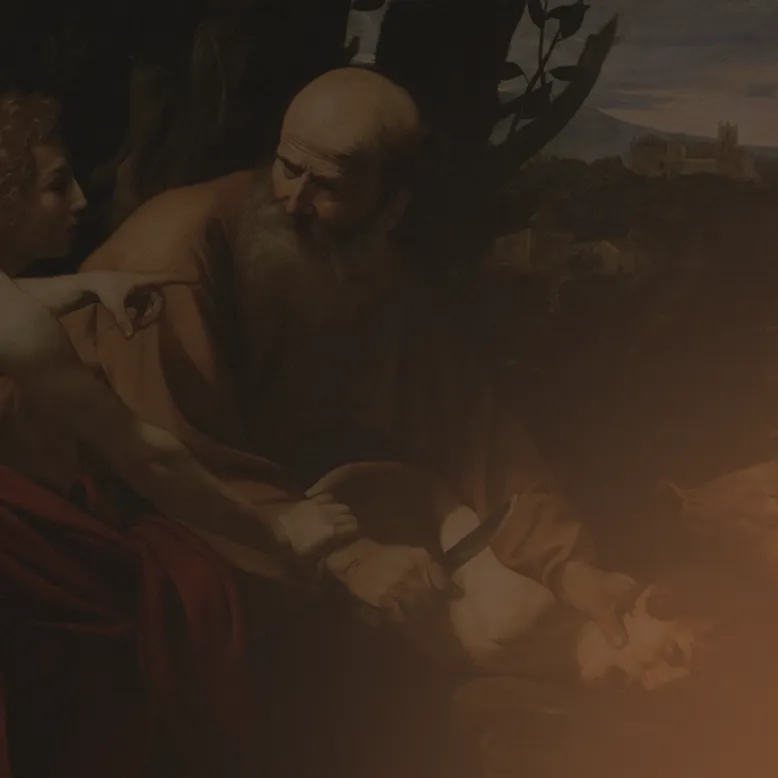
This sermon on James 2:14-26 distinguishes between two kinds of faith: a "deceiving dead faith" and a "real living faith." Dead faith is characterized by an empty profession, excuses for disobedience, and mere intellectual assent without genuine fear of God. Living faith, conversely, is saving and inevitably produces good works. The speaker addresses the perceived contradiction between James and Paul, explaining they fought different battles. Paul opposed works-based salvation (works don't justify), while James countered antinomianism, asserting that true faith *always* results in obedience. Both use "justify" to mean "declared righteous," but James emphasizes how faith is vindicated through action. Abraham's offering of Isaac, decades after his initial justification by faith, exemplified how works "perfected" his faith, demonstrating its genuineness. Similarly, Rahab, a Gentile prostitute, proved her saving faith through risky obedience. Works are the fruit and evidence of true faith, not its cause. James concludes that "just as the body without the spirit is dead, so also faith without works is dead." Genuine faith is active, producing a pattern of decreasing sin and increasing righteousness, reflecting undivided allegiance to Christ. A faith that is "alone"�unaccompanied by a life of obedience�is a dead, damning impostor.
180 Degrees: A Study of Biblical Repentance
This sermon defines biblical repentance as a radical 180-degree turn from sin to God, an essential component of conversion alongside faith. It clarifies that repentance is not a self-earned work, an external ritual, or mere regret, but rather a supernatural gift from God involving intellectual (embracing truth), emotional (godly sorrow), and volitional (forsaking sin) changes. The process begins with conviction of sin by the Holy Spirit and God's Word, leading to godly sorrow accompanied by hope in God's mercy, and ultimately producing true repentance that manifests tangible "fruits" like earnestness and a desire for holiness. The text emphasizes two crucial lessons: First, repentance is an indispensable part of the gospel message, consistently preached by Christ and the apostles, contrary to "easy believism." Second, it is a lifelong pattern for believers, evident in prayer for forgiveness and ongoing turning from sin. Finally, the sermon offers comfort, highlighting God's gracious and compassionate nature, which always responds to genuine repentance with abundant forgiveness, as exemplified by the Ninevites in the book of Jonah. This consistent and merciful response is rooted in God's very character.
Thank God!
Pastor Tom Pennington introduces Psalm 107, highlighting God's nature as a Savior and Deliverer, using an anecdote about his daughter seeking his help for a broken toy to illustrate the universal human instinct to cry for help. He explains that while humans often seek aid from others, our deepest problems necessitate turning to God, who, unlike false idols, uniquely responds. The psalm features four illustrative scenarios of physical rescue (travelers, prisoners, the sick, seamen) that also represent spiritual deliverance. Focusing on the prisoners' narrative (Psalm 107:10-16), the sermon outlines three steps to divine rescue. First, one must recognize their hopeless spiritual condition, a "prison of our own making" due to sin and rebellion against God's counsel, often brought about by God's humbling hand. Second, they must repent of their sins, crying out to God with genuine willingness to forsake sin and turn to Him in faith, as God requires true repentance for rescue. Third, after receiving salvation, the proper response involves giving thanks, experiencing joy, sharing God's works with others, and thoughtfully considering His steadfast love.
The Faith to Believe
The sermon "The Faith to Believe" clarifies true biblical saving faith, distinguishing it from common misconceptions. Faith is presented as both a divine gift and a human response, integral to the "order of salvation." It is not mere natural trust, intellectual acceptance of historical facts about Jesus, belief due to miracles, or temporary emotional reactions. Rather, saving faith stands in direct opposition to human effort or "works," received solely "by grace alone, through faith alone." True faith involves three key elements: "knowledge" (intellectual understanding of Gospel truths like Christ's deity), "assent" (emotional conviction that these truths are real and applicable), and most importantly, "trust" (the volitional act of complete personal reliance and surrender to Christ alone for salvation). Faith functions as an instrument, an "empty hand" receiving God's free gift of righteousness, never being the cause or grounds for salvation itself. The object of saving faith is crucial: it is exclusively the person of Jesus Christ, not a general truth, plan, or prayer. The quantity of one's faith matters less than its proper object. To strengthen faith, believers are encouraged to shift focus from their own weaknesses and challenging circumstances, instead dwelling on God's unchanging character, power, faithfulness, and promises.
No Results Found.
We couldn’t find anything matching your search.
Explore The Word Unleashed
Our ministry brings together expository preaching, theological precision, and practical application for the good of Christ's church and the daily living of Christ's people.
.webp)
Sermons
Listen to expository sermons that clearly teach God’s Word and guide you in daily living.

Radio
Tune in to gospel-centered programs that share biblical truth and strengthen your daily walk with Christ.
Training
Join courses and workshops designed to deepen your faith and equip you to serve others with biblical wisdom.
.webp)
From the Pastor's Desk
Read pastoral messages that encourage, instruct, and help you apply God’s Word to every part of your life.
.webp)
Hymns
Discover timeless hymns that lift your heart in worship and remind you of God’s abounding grace and faithfulness.
Podcasts
Stay rooted in Scripture through our podcast series.