Sermons That Exalt Christ
The preaching of God’s Word is central to the life of the church. Tom's pulpit ministry is dedicated to providing clear, biblical teaching to equip believers, strengthen faith, and exalt Christ.

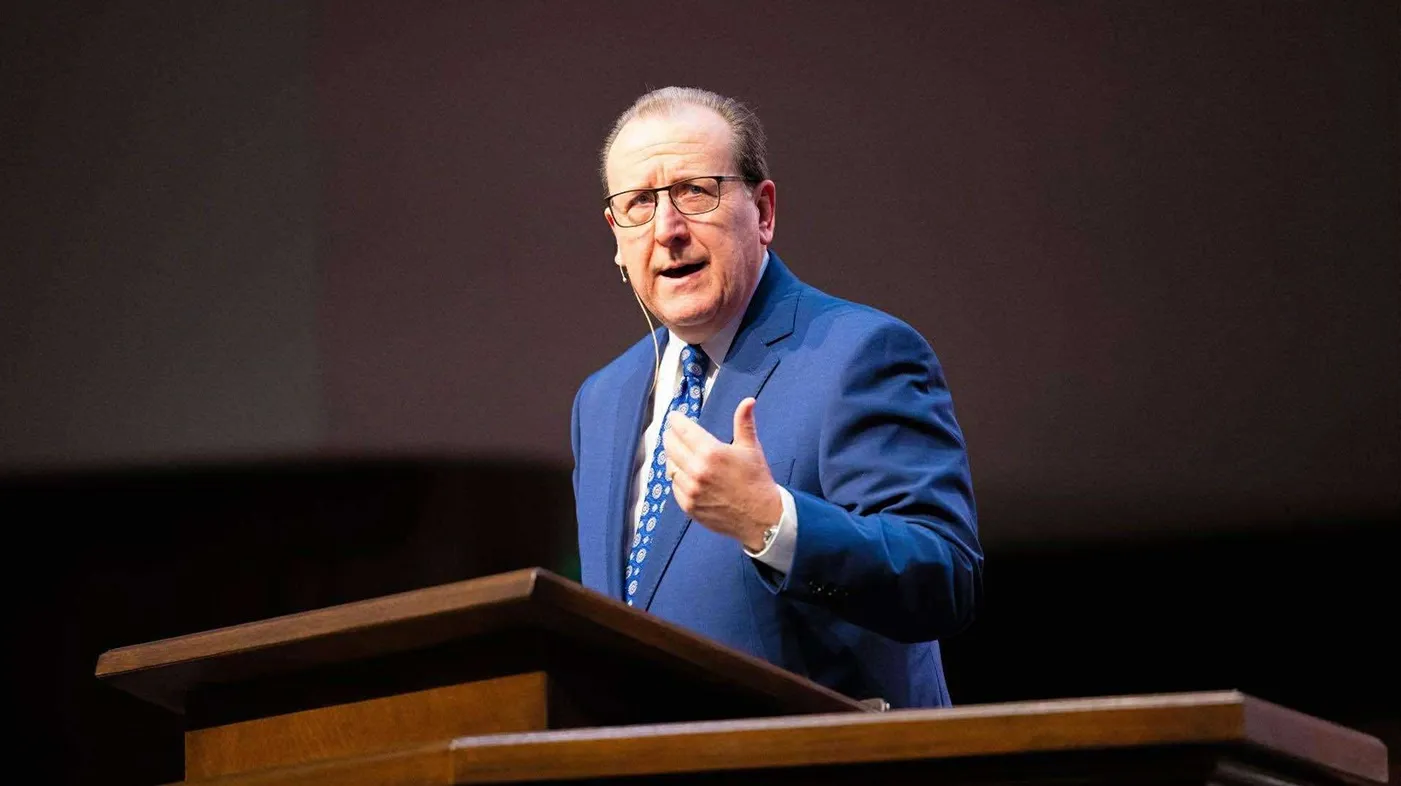
Engage with the most recent teaching from God’s Word.
The preaching of God's Word is central to worship and of the utmost importance for the sanctification of every believer in Christ.

.jpg)
.jpg)

Explore messages organized to help you grow in Christ.
Search and filter sermons for quick access.
The Church in God's Eternal Plan - Part 3
This sermon, "The Church in God's Eternal Plan," explains how the church fits into God's eternal decree, which governs all events. It first reviews the relationship between Israel and the church, noting their similarities as God's people saved by faith in Christ, yet emphasizing their distinct identities, historical economies, and specific promises, such as Israel's future land and earthly kingdom. The central theme then shifts to the "kingdom," defined as God's rule, encompassing both His universal sovereignty and His specific Messianic rule through Christ. The terms "kingdom of God" and "kingdom of heaven" are presented as synonymous. The Messianic kingdom has two vital aspects: a present, spiritual dimension ("already") representing salvation and Christ's rule in believers' hearts, and a future, physical dimension ("not yet") comprising a literal thousand-year millennial reign on earth, leading into the eternal kingdom. Crucially, the church is distinct from the kingdom but closely related; it is the fellowship of those who have accepted Christ's rule, possessing authority to declare spiritual realities based on God's Word. Ultimately, believers must not confuse Christ's spiritual kingdom with earthly political efforts, but instead ensure their personal entry into it through genuine faith and actively pray for its complete arrival.
The One Anothers - Part 3
Pastor Tom Pennington's sermon, "The One Anothers (Part 3)," stresses the vital role of attitudes in cultivating healthy church relationships. Focusing on "orientation," he identifies four essential mindsets Christians should adopt: 1. **Unity**: Be "of the same mind," meaning a "team mindset" focused on commonalities like shared love, connection in the Spirit, and Christ's cause. This unity, fostered through prayer, enables mutual acceptance and glorifies God, not demanding agreement on every minor issue. 2. **Humility**: Regard others as more important, prioritizing their welfare and interests. This mirrors Christ's servant heart and is cultivated by submitting to authority, serving others, and yielding to God's will. Pride is the enemy of all godly relationships. 3. **Patience**: Bear with others' weaknesses, endure wrongs, and readily forgive. It means granting grace for spiritual growth, recognizing maturity takes time. Cultivating this involves acknowledging one's own depravity and reflecting on God's patience towards us. 4. **Affection**: Treat fellow believers as closest family or friends, showing genuine devotion and care. This is symbolized by the "holy kiss," advocating sincere, pure, and culturally appropriate expressions of familial love within the church.
The Church in God's Eternal Plan - Part 2
The text, "The Church in God�s Eternal Plan (Part 2)," explores the relationship between Israel and the Church, emphasizing its profound theological ramifications. Pastor Tom Pennington advocates for progressive dispensationalism, which acknowledges both significant similarities and clear distinctions between these entities. Similarities include one people of God saved by faith in Christ's work, benefiting from the Spirit, and sharing new covenant promises. However, three key distinctions exist: 1. **Distinct Identities:** Israel refers to a specific ethnic nation, while the Church is a separate spiritual body, never called "the new Israel." 2. **Distinct Economies (Phases):** The Church was part of God's original plan, not a "Plan B." A key difference is the Spirit's baptism, which began at Pentecost for New Testament believers, marking a shift in God's program from Israel to the Church, as seen in Jesus' parables and Romans 11. 3. **Distinct Promises:** While sharing many spiritual promises, Israel retains unique future promises of an earthly land restoration (Ezekiel 36) and a leading role in an earthly kingdom. Ultimately, understanding these distinctions matters because God's unwavering faithfulness to His irrevocable promises to Israel (Romans 11:29) guarantees His faithfulness and irrevocable calling to believers today.
The One Anothers - Part 2
Pastor Tom Pennington's sermon "The One Anothers (Part 2)" emphasizes Christians' foundational responsibility to one another, focusing on two key "occupations": building up and serving. He illustrates this with the Apostle Paul's selfless actions during a shipwreck, where Paul, despite extreme hardship, gathered wood and healed the sick. The sermon categorizes New Testament "one another" commands, focusing this week on "occupation." First, believers are to "build up one another." The church, pictured as a temple of "living stones," requires each Christian to promote others' spiritual growth and health through mindful liberty, edifying worship, and encouraging speech. Second, Christians are to "serve one another," following Jesus' example, who "did not come to be served, but to serve." Service involves practically caring for physical needs (as in Matthew 25:31-45 � feeding, clothing, visiting) and using spiritual gifts within the church (Ephesians 4, 1 Peter 4). This diligent service, a fruit of faith, leads to blessings and the amazing future promise that Christ Himself will one day serve His faithful followers (Luke 12:37).
The One Anothers - Part 1
The sermon "The One Anothers (Part 1)" by Tom Pennington highlights the Christian's crucial responsibility to love one another, contrasting it with modern society's pervasive isolation. He uses the example of an overlooked death to illustrate how contemporary culture, amplified by technology and architecture, fosters self-focus, which he deems a sin against God's relational character, as seen in the Trinity. Pennington asserts that "love one another" is the most frequent and second greatest New Testament command, summarizing all law and rendering spiritual acts worthless without it. This "agape" love is defined as an unselfish, self-sacrificing desire to meet others' needs, irrespective of their merit or response. Practically, it means doing good without expectation, humbly serving, caring for the needy, sharing burdens, forgiving offenses, gently confronting sin, avoiding causing others to stumble, and engaging in daily interactions marked by patience and kindness. To cultivate this love, believers are urged to actively pursue it through prayer, reflection on God's love, scripture study, observing others, obedience, and utilizing spiritual gifts. Critically, it necessitates a genuine conversion. Practical steps include changing one's mindset about personal independence and relationship purpose, and intentionally building connections with others to demonstrate Christ's love.
The Church in God's Eternal Plan - Part 1
This sermon, "The Church in God�s Eternal Plan (Part 1)," by Pastor-Teacher Tom Pennington, addresses two fundamental questions: when did the church begin, and how does it relate to Israel and the Kingdom of God? Pennington evaluates five views on the church's inception (Adam, Abraham, Christ�s ministry, Pentecost, Paul). Drawing from Matthew 16, Ephesians, and Acts, he concludes that the church was a future entity when Christ spoke, distinct from Israel, and began at Pentecost with the baptism of the Holy Spirit into one body. This timing, he argues, has profound implications for how Christians interpret the Bible and live their faith. The sermon then delves into the relationship between Israel and the church, outlining three primary positions in evangelicalism: Covenantalism (Israel was the Old Testament church), Traditional Dispensationalism (Israel and the church are two distinct peoples with separate purposes), and Progressive Dispensationalism (the speaker�s view). Progressive Dispensationalism highlights great similarities: both contain God�s true people, are saved by Christ's work through faith alone, benefit from the Spirit, share a witness responsibility, and are beneficiaries of the New Covenant. While similar, they are not identical, a topic to be explored further.
No Results Found.
We couldn’t find anything matching your search.
Explore The Word Unleashed
Our ministry brings together expository preaching, theological precision, and practical application for the good of Christ's church and the daily living of Christ's people.
.webp)
Sermons
Listen to expository sermons that clearly teach God’s Word and guide you in daily living.

Radio
Tune in to gospel-centered programs that share biblical truth and strengthen your daily walk with Christ.
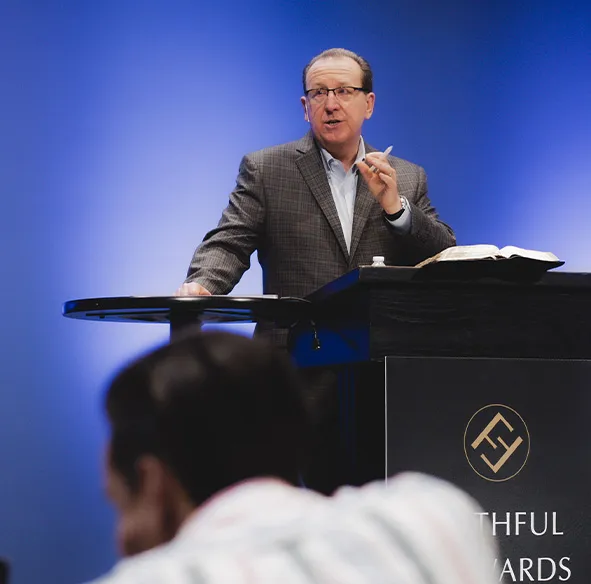
Training
Join courses and workshops designed to deepen your faith and equip you to serve others with biblical wisdom.
.webp)
From the Pastor's Desk
Read pastoral messages that encourage, instruct, and help you apply God’s Word to every part of your life.
.webp)
Hymns
Discover timeless hymns that lift your heart in worship and remind you of God’s abounding grace and faithfulness.
Podcasts
Stay rooted in Scripture through our podcast series.