Sermons That Exalt Christ
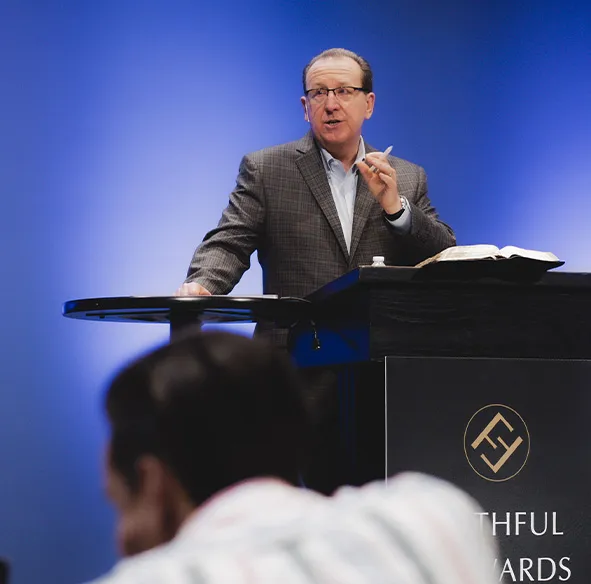
The preaching of God’s Word is central to the life of the church. Tom's pulpit ministry is dedicated to providing clear, biblical teaching to equip believers, strengthen faith, and exalt Christ.


Engage with the most recent teaching from God’s Word.
The preaching of God's Word is central to worship and of the utmost importance for the sanctification of every believer in Christ.

.jpg)
.jpg)

Explore messages organized to help you grow in Christ.
Search and filter sermons for quick access.
Church Government: Monarchy, Anarchy, or Democracy? - Part 3
In his sermon "Systematic Theology Church Government: Monarch, Anarchy or Democracy, Part 3 (Elders)," Pastor Tom Pennington explains that a call to serve as an elder, pastor, or overseer in the church is not self-appointed but divinely ordained and biblically confirmed. He outlines four essential tests to discern this call. First is **Craving**, an internal, strong desire for the *work* of ministry�teaching, shepherding, counseling, and protecting God's people�rather than for the position or its perks. Second is **Character**, encompassing a comprehensive list of objective moral and spiritual qualifications found in 1 Timothy 3 and Titus 1. These include being male, above reproach, "husband of one wife" (interpreted as fidelity to one spouse, with specific considerations for divorce cases), temperate, prudent, respectable, hospitable, not addicted to wine or pugnacious, but gentle, peaceable, free from the love of money, not a new convert, having a good reputation, not self-willed, loving what is good, just, and devout. While perfection isn't expected, these qualities must characterize the man.
Prayer For All Seasons - Part 1
Pastor Tom Pennington's sermon, "James' Prayer for All Seasons," emphasizes that prayer is as essential to a believer's soul as breathing is to the body, drawing from James 5:13-18. Focusing on the "priority of prayer" in verse 13, the message highlights James's call for believers to engage in prayer across all life's circumstances and emotional states. If one is "suffering" or "in trouble"�encompassing everything from physical illness and financial woes to personal struggles and persecution�they "must pray." This involves both asking God to remove trials and, crucially, seeking divine wisdom to find joy and respond righteously amidst hardship. Conversely, if one is "cheerful," experiencing deep inner joy regardless of external circumstances, the appropriate response is to "sing praises." This act of praise is presented as another vital form of prayer, an overflow of the heart acknowledging God's goodness, as exemplified throughout the Psalms. The pastor explains that James intends for "suffering" and "cheerful" to represent every season and emotion of life. Both adversity and ease can lead to spiritual pitfalls�rebellion or complacency, respectively�yet both should consistently compel us towards God. Our God-given emotions are catalysts, prompting us to turn to Him in prayer or praise.
When Life's Not Fair - Part 2
This sermon, "When Life's Not Fair (Part 2)," explores James 5:7-12, offering Christians five responses to injustice in a fallen world, exemplified by figures like Charles Simeon and the early church. First, believers are urged to be patient until the Lord�s coming, trusting that Christ will right every wrong, similar to a farmer patiently awaiting harvest. Second, they must be strong in their resolve, like Jesus "setting His face like flint," to remain faithful and obedient despite trials, knowing the Lord's return is near. This spiritual fortitude is cultivated by understanding God's truth. Third, Christians are commanded to be gracious toward one another, refraining from complaining or blaming fellow believers, especially under stress, remembering God�s impartial and imminent judgment. Fourth, encouragement should be drawn from the examples of others who suffered and endured, such as the prophets and Job. Their stories showcase God's compassion and faithfulness, inspiring courage in believers. Finally, the passage warns against making rash vows or bargains with God during distress, emphasizing honesty in speech and commitment, lest one fall under judgment. Ultimately, maintaining a righteous response to injustice hinges on remembering Christ's imminent return, when all things will be made right.
Church Government: Monarchy, Anarchy, or Democracy? - Part 2
The provided text, "Systematic Theology Church Government: Monarchy, Anarchy, or Democracy?", explores various church government models, noting that many reflect worldly forms like dictatorship or pure democracy. Pastor Tom Pennington argues for God's intended design: an internal church government led by a plurality of qualified men known interchangeably as elders, overseers, or shepherds. Pennington provides biblical evidence for plural eldership from both the Old and New Testaments. He refutes common arguments against this model, such as the "one pastor" concept or the idea that the "priesthood of all believers" mandates congregational democracy. He clarifies that "elder" signifies maturity, "overseer" denotes the ruling function, and "shepherd/pastor" highlights the nurturing aspect, all referring to the same office. This elder rule is presented as a mandate from the Pastoral Epistles and apostolic example, not an oligarchy, corporate structure, or pure egalitarianism. Instead, it involves servant leadership where Christ chooses elders affirmed by the church based on biblical qualifications. The congregation's duties include appreciating and esteeming elders, financially supporting those who labor in teaching, imitating their faith, and submitting to their biblically-based leadership, fostering a structure of wisdom, protection, and accountability.
When Life's Not Fair - Part 1
In "When Life's Not Fair (Part 1)," Tom Pennington addresses the Christian response to injustice, beginning with stories of wrongful imprisonment and everyday betrayals. He identifies common, sinful reactions to unfairness: blaming God, harboring anger towards perpetrators, or seeking personal revenge. Drawing from James 5:7-12, Pennington calls believers to a different path: patience until the Lord's coming. This means refraining from retaliation and enduring injustice, whether it arises from general human fallenness or direct persecution for faith. He emphasizes that this patience mirrors God's own long-suffering. The sermon uses the analogy of a farmer patiently awaiting the harvest, an image that also symbolizes God's future judgment and the rectification of all wrongs. Pennington stresses that true justice is not guaranteed in this world but is assured at Christ's return, serving as an anchor for believers' souls. He encourages living "looking" for this blessed hope, trusting that God, like a righteous father, will ultimately make everything right.
No Results Found.
We couldn’t find anything matching your search.
Explore The Word Unleashed
Our ministry brings together expository preaching, theological precision, and practical application for the good of Christ's church and the daily living of Christ's people.
.webp)
Sermons
Listen to expository sermons that clearly teach God’s Word and guide you in daily living.

Radio
Tune in to gospel-centered programs that share biblical truth and strengthen your daily walk with Christ.
Training
Join courses and workshops designed to deepen your faith and equip you to serve others with biblical wisdom.
.webp)
From the Pastor's Desk
Read pastoral messages that encourage, instruct, and help you apply God’s Word to every part of your life.
.webp)
Hymns
Discover timeless hymns that lift your heart in worship and remind you of God’s abounding grace and faithfulness.

Podcasts
Stay rooted in Scripture through our podcast series.