Sermons That Exalt Christ
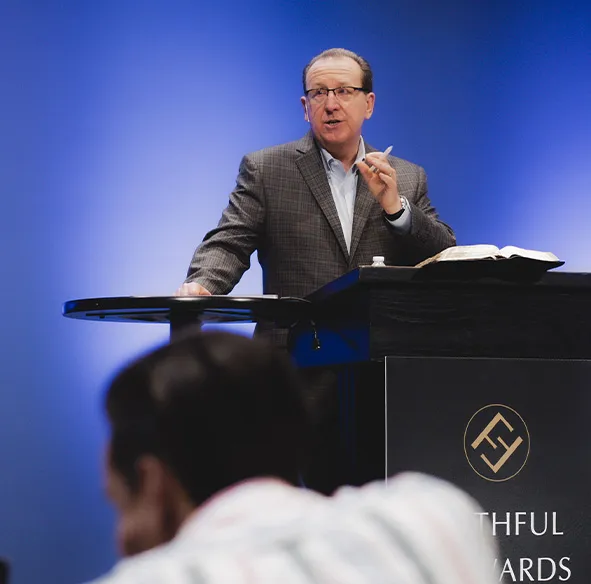
The preaching of God’s Word is central to the life of the church. Tom's pulpit ministry is dedicated to providing clear, biblical teaching to equip believers, strengthen faith, and exalt Christ.


Engage with the most recent teaching from God’s Word.
The preaching of God's Word is central to worship and of the utmost importance for the sanctification of every believer in Christ.

.jpg)
.jpg)

Explore messages organized to help you grow in Christ.
Search and filter sermons for quick access.
Malachi: A Virtual Tour
Pastor Tom Pennington's "Virtual Tour" explores Malachi, the Old Testament's final book, addressing a disillusioned Jewish populace returned from Babylonian exile. Their expectations of a flourishing nation, based on prophecy, clashed with the reality of a struggling, foreign-dominated people, leading them to doubt God's character. Malachi is structured around six questions posed by the people, through which God corrects their erroneous thinking. These questions probe God's love, which He demonstrated through election; His greatness, which they despised through defiled worship and careless teaching; His righteousness, which they violated with pagan marriages and unjust divorce; His justice, questioned due to perceived evil prosperity but assured to come impartially and tempered with grace; His forgiveness, readily available through genuine repentance; and His faithfulness, doubted by those who felt serving Him was futile but guaranteed to reward the righteous and punish the wicked in the end. The book culminates by urging obedience to the Law and responsiveness to His messenger, Elijah, as preparation for the coming Day of the Lord, warning against a curse for disobedience, thereby affirming God's unchanging character and promises for all generations.
How to Live Like a Pagan - Part 1
Tom Pennington's sermon "How to Live Like a Pagan (Part 1)," based on Ephesians 4:17-19, addresses the ongoing cultural attacks on Christian faith from academia, entertainment, and politics. He emphasizes that Christians must intellectually engage with these challenges, renewing their minds as Christ commands in Matthew 22:37. Paul's instruction to "walk no longer just as the Gentiles also walk" signifies a call for believers to abandon the "futile mind" or "worthless worldview" of unbelievers, which stems from humanity's suppression of God's truth, as detailed in Romans 1. Pennington identifies naturalism as the prevailing pagan mindset today, characterized by beliefs that matter is all that exists, the universe is a closed system, humans are complex machines, and morality is relative, with self-fulfillment as life's ultimate goal. He asserts that through the new birth, Christians are no longer enslaved to these old ideas. A person's mindset fundamentally drives their behavior, making it crucial for believers to resist cultural influences such as mixing secular origins with biblical accounts, downplaying God's sovereignty, or adopting fad philosophies.
The New Covenant
Tom Pennington's sermon introduces the New Covenant, inaugurated by Jesus at the Last Supper as the ultimate Passover Lamb. A covenant is defined as a legally binding promise, which God makes to demonstrate the unchangeableness of His purpose, prevent nullification, and encourage believers. Following earlier covenants with figures like Noah, Abraham, Moses, and David, the New Covenant is presented as the culmination of God's redemptive plan. Focusing on Hebrews 8, Jesus is revealed as the superior High Priest and Mediator of this "better covenant." Unlike the Old (Mosaic) Covenant, which was weak due to humanity's inability to obey, the New Covenant offers superior promises. These include God implanting His laws directly into believers' hearts, empowering obedience; enabling a personal and intimate knowledge of God; and providing a permanent, explicit promise of sin forgiveness, where God chooses not to remember them. The New Covenant renders the Old Covenant's ceremonial laws and sacrificial system obsolete, a reality reinforced by the destruction of the Jerusalem temple in 70 AD. Believers in Christ are recipients of this eternal, grace-based covenant, sealed by Jesus's blood, making Him God's ultimate promise for salvation and a transformed relationship with humanity.
The Innocent Found Guilty
Pastor Tom Pennington's sermon "The Innocent Found Guilty" from Matthew 26:57-68 examines Jesus' Jewish trials, contextualizing them amidst modern media skepticism and asserting the overwhelming historical evidence for the gospels. Following His arrest, Jesus underwent both Jewish and Roman hearings. While Roman authorities found Him innocent of sedition, the Jewish religious leaders orchestrated a "kangaroo court" with a predetermined outcome: Jesus' death. During the pivotal second Jewish trial at Caiaphas's house, false witnesses failed to provide consistent testimony, underscoring Jesus' innocence regarding any capital offense. However, when Caiaphas put Jesus under oath, asking if He was the Christ, the Son of God, Jesus unequivocally affirmed His identity. He further claimed divinity, referencing prophecies of the Son of Man coming with clouds of heaven, proclaiming Himself God�s divine ruler and future judge. Outraged, Caiaphas tore his robes, declaring Jesus guilty of blasphemy, a capital offense. The Sanhedrin unanimously condemned Him to death. This trial was riddled with legal irregularities, effectively making it "murder." Ultimately, Jesus was convicted and executed solely for His claims to be the divine Messiah.
Twelve Unlikely Men - Part 3
This text delves into the tragic life of Judas Iscariot, one of the twelve apostles, highlighting Jesus's declaration that it would have been better if Judas had never been born, a profound expression of divine wrath. Despite an ordinary birth and initial spiritual interests, Judas's heart hardened over time. Jesus, from the outset, knew Judas would betray Him, choosing him as an apostle to fulfill God's sovereign plan and prophecy, yet Judas remained fully responsible for his choices driven by an evil heart. Judas participated in ministry, performing miracles, preaching the gospel, and serving as the group�s treasurer due to his natural financial gifts. However, he was a thief, stealing from the money box. His betrayal for thirty pieces of silver (the price of a slave) stemmed from overwhelming greed and possibly disappointed political ambitions. Satan entered his heart, leading to his betrayal of Jesus with a kiss in the Garden of Gethsemane. After Jesus's condemnation, Judas felt profound remorse, returned the blood money, and committed suicide by hanging, a vivid illustration that regret is not true repentance.
The Fragrance of Worship
In a sermon titled "The Fragrance of Worship," Tom Pennington examines John 12:1-8, set six days before Passover in Bethany, shortly after Jesus raised Lazarus from the dead. During a banquet, Mary expresses profound devotion by anointing Jesus� feet with a pound of costly pure nard�worth a year's wages�and wiping them with her hair. This act signifies her immense gratitude for Lazarus's resurrection, deep humility, and a penitent acknowledgment of her own sinfulness, filling the house with a sweet fragrance. Judas Iscariot hypocritically objects, suggesting the perfume should have been sold for the poor, but his true motivation is revealed as theft and self-interest. Jesus defends Mary, explaining that her act was a prophetic anointing for His impending burial, indicating her unique understanding among the disciples of His sacrificial death for sin. Mary, a diligent listener to Jesus's teachings, grasped the connection between His death and forgiveness. The sermon encourages listeners to emulate Mary�s worship by cultivating a humble awareness of their own sin and deeply reflecting on Jesus�s atoning death as their substitute. This blend of sin acknowledgment and Christ-centered adoration creates a fragrant worship that honors God.
No Results Found.
We couldn’t find anything matching your search.
Explore The Word Unleashed
Our ministry brings together expository preaching, theological precision, and practical application for the good of Christ's church and the daily living of Christ's people.
.webp)
Sermons
Listen to expository sermons that clearly teach God’s Word and guide you in daily living.

Radio
Tune in to gospel-centered programs that share biblical truth and strengthen your daily walk with Christ.
Training
Join courses and workshops designed to deepen your faith and equip you to serve others with biblical wisdom.
.webp)
From the Pastor's Desk
Read pastoral messages that encourage, instruct, and help you apply God’s Word to every part of your life.
.webp)
Hymns
Discover timeless hymns that lift your heart in worship and remind you of God’s abounding grace and faithfulness.
Podcasts
Stay rooted in Scripture through our podcast series.