Sermons That Exalt Christ
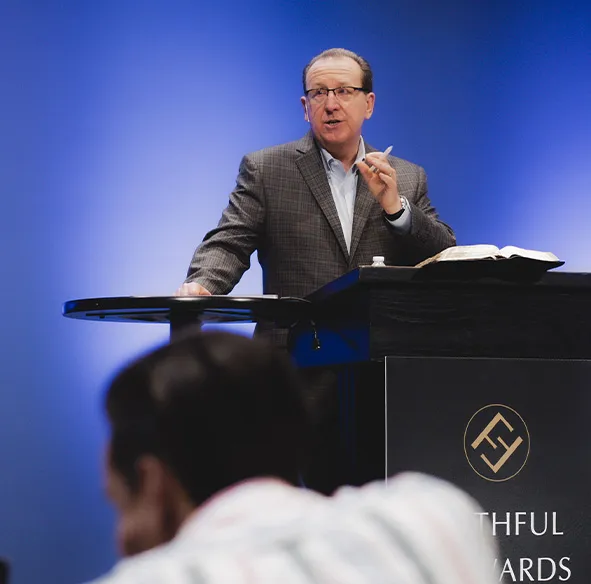
The preaching of God’s Word is central to the life of the church. Tom's pulpit ministry is dedicated to providing clear, biblical teaching to equip believers, strengthen faith, and exalt Christ.


Engage with the most recent teaching from God’s Word.
The preaching of God's Word is central to worship and of the utmost importance for the sanctification of every believer in Christ.

.jpg)
.jpg)

Explore messages organized to help you grow in Christ.
Search and filter sermons for quick access.
The Lord's Table - Part 1
Pastor Tom Pennington introduces the Lord's Table, one of two New Testament ordinances, highlighting its significance and often-misunderstood nature. He delves into 1 Corinthians 11:17-34, where Paul confronts severe abuses in the Corinthian church. Divisions stemmed from socioeconomic disparities during their "love feasts": wealthier members ate abundantly, some to drunkenness, without waiting for or sharing with poorer members who went hungry. Paul condemns this, emphasizing that such selfishness undermines the ceremony and indicates a lack of genuine Christian love. Pennington explains Paul's direct revelation from the Lord regarding the Supper's institution. During the Passover meal, Jesus transformed the unleavened bread and the third cup of wine (the cup of redemption) into symbols of His body and the new covenant in His blood. This shifted the remembrance from physical redemption from Egypt to spiritual rescue from sin. Jesus commanded believers to perform this corporate ordinance "in remembrance of Me" and "as often as you eat this bread and drink the cup, you proclaim the Lord�s death until He comes." Ultimately, the Lord's Table is Christ's supper, where He is the host, offering communion with Him and promising a future literal meal in His Father's kingdom.
Gradually Restored Sight
The text analyzes Mark 8:22-26, detailing Jesus' unique two-stage healing of a blind man in Bethsaida. Unlike other miracles, Jesus first led the man out of the village, spit on his eyes, and laid hands on him, resulting in blurred vision where he saw "men like trees, walking around." After a second touch, his sight was fully restored, and he saw "everything clearly." This gradual healing, the only one recorded in the gospels, served as a crucial spiritual lesson for Jesus' disciples, who often displayed "spiritual dullness." It illustrates that while only Christ can cure spiritual blindness (a truth instantaneously given at conversion), perfectly clear spiritual understanding develops gradually. Like the man's initial fuzzy perception, believers' spiritual sight, though opened, is initially imperfect. Through continued engagement with God's Word and Spirit, spiritual vision matures, clarifying understanding of God's plan and leading to 20/20 spiritual clarity, as Jesus always finishes what He starts.
Husband, Love Your Wife - Part 4
Pastor Tom Pennington's sermon, "Husband, Love Your Wife, Part 4" (Ephesians 5:25-33), presents marriage as a "lens" through which the world sees Christ. A healthy marriage projects His light, while a flawed one obscures it. Pennington emphasizes the biblical command for husbands to love their wives, based on two profound reasons. First, the original design of marriage (Genesis 2:24) dictates a man should "leave father and mother" (prioritizing his wife), "be joined to his wife" (forming a permanent, passionate bond), and become "one flesh." This signifies a superior, inseparable unity, both physically and spiritually. Second, the ultimate goal of marriage is a "great mystery" (Ephesians 5:32) revealed by God: marriage is a living illustration of Christ's relationship with His church. God designed marriage to display Christ's self-sacrificing, sanctifying, nourishing, and cherishing love for believers, and the church's proper response of respect and joyful submission. Consequently, every marriage, whether good or bad, actively illustrates the relationship between Christ and His church. Husbands' treatment of their wives reflects Christ's character, and wives' responses mirror the church's attitude toward Him. Thus, believers are called to diligently "keep the lens clean" to ensure their marriages accurately reflect the glory of Christ and the Gospel.
Dangers to Look Out For
Pastor Tom Pennington's sermon "Dangers to Look Out For" (Mark 8:14-21) emphasizes Jesus' serious warnings against spiritual dangers, likening them to ignored plane crash warnings. Jesus uses the metaphor of "leaven" to describe three pervasive threats to the soul. First, **negative spiritual influences** are teachings that subtly spread and corrupt. These include the "leaven of the Pharisees" (superficial, traditional religion substituting human tradition for God's Word), the "leaven of Herod" (secular worldliness prioritizing earthly success), and the "leaven of the Sadducees" (liberal, anti-supernatural religion denying miracles and Christ's deity). Even small amounts of these influences are spiritually destructive. Second, **spiritual dullness** stems from distraction by material needs or from repeated exposure to truth without reflection and application. The disciples' obsession with physical bread prevented them from grasping Jesus' spiritual warning, underscoring the risk of intellectual laziness. Third, **weak faith** is evident in worrying despite God's proven provision and an incomplete understanding of Jesus' true nature. Jesus' reminder of miraculous feedings rebukes their "little faith." Strengthening faith, like a muscle, requires focusing on and trusting God's promises in His Word. Believers must remain alert, apply truth diligently, and cultivate robust faith to avoid spiritual ruin.
Husband, Love Your Wife - Part 3
In "Husband, Love Your Wife, Part 3," based on Ephesians 5:25-33, Pastor Tom Pennington challenges men to love their wives with the same natural care they give their own bodies, mirroring Christ's love for the church. He highlights the vast amounts spent on personal health and beauty as evidence of this inherent self-care. Paul uses this analogy because wives are "one flesh" with their husbands, making caring for a wife akin to caring for oneself. This love manifests in two key ways: 1. **Nourishing Love**: Husbands are morally obligated to diligently provide for their wives' physical needs, including food, clothing, and conjugal rights, seeing themselves as primary providers rather than being lazy or miserly. 2. **Cherishing Love**: This involves tenderly caring for, pampering, and honoring one's wife with the same affection a nursing mother shows her child. Husbands should strive to understand their wives, speak well of them, and frequently express love, avoiding neglect, anger, or belittlement. The sermon emphasizes that failing to nourish and cherish a wife is un-Christian and can even hinder one's prayers.
Husband, Love Your Wife - Part 2
In "Husband, Love Your Wife, Part 2," Pastor Tom Pennington explores Ephesians 5:25-33, contrasting modern marriage trends�such as declining rates and shifting gender roles�with the biblical mandate for husbands. He emphasizes that while husbands are divinely appointed as heads, their leadership must emulate Christ's love for the church, specifically focusing on "sanctifying love." Christ�s example demonstrates a love that sacrifices for the church�s spiritual progress, giving Himself to cleanse and sanctify her through His Word, with the goal of presenting her holy and blameless, "without spot or wrinkle." This process of sanctification signifies ongoing spiritual growth, making believers progressively more like Christ, ultimately culminating in perfection at His return. For husbands, this translates to prioritizing their wives' spiritual well-being. Practically, this involves pursuing personal holiness as an example, actively protecting their wives from sin and temptation, and being the spiritual leader of the home. Husbands should prioritize corporate worship, lead family Bible study and prayer, and demonstrate that spiritual matters are central to their lives, ensuring their wives are more like Jesus Christ because of their influence.
No Results Found.
We couldn’t find anything matching your search.
Explore The Word Unleashed
Our ministry brings together expository preaching, theological precision, and practical application for the good of Christ's church and the daily living of Christ's people.
.webp)
Sermons
Listen to expository sermons that clearly teach God’s Word and guide you in daily living.

Radio
Tune in to gospel-centered programs that share biblical truth and strengthen your daily walk with Christ.
Training
Join courses and workshops designed to deepen your faith and equip you to serve others with biblical wisdom.
.webp)
From the Pastor's Desk
Read pastoral messages that encourage, instruct, and help you apply God’s Word to every part of your life.
.webp)
Hymns
Discover timeless hymns that lift your heart in worship and remind you of God’s abounding grace and faithfulness.

Podcasts
Stay rooted in Scripture through our podcast series.