Sermons That Exalt Christ
The preaching of God’s Word is central to the life of the church. Tom's pulpit ministry is dedicated to providing clear, biblical teaching to equip believers, strengthen faith, and exalt Christ.

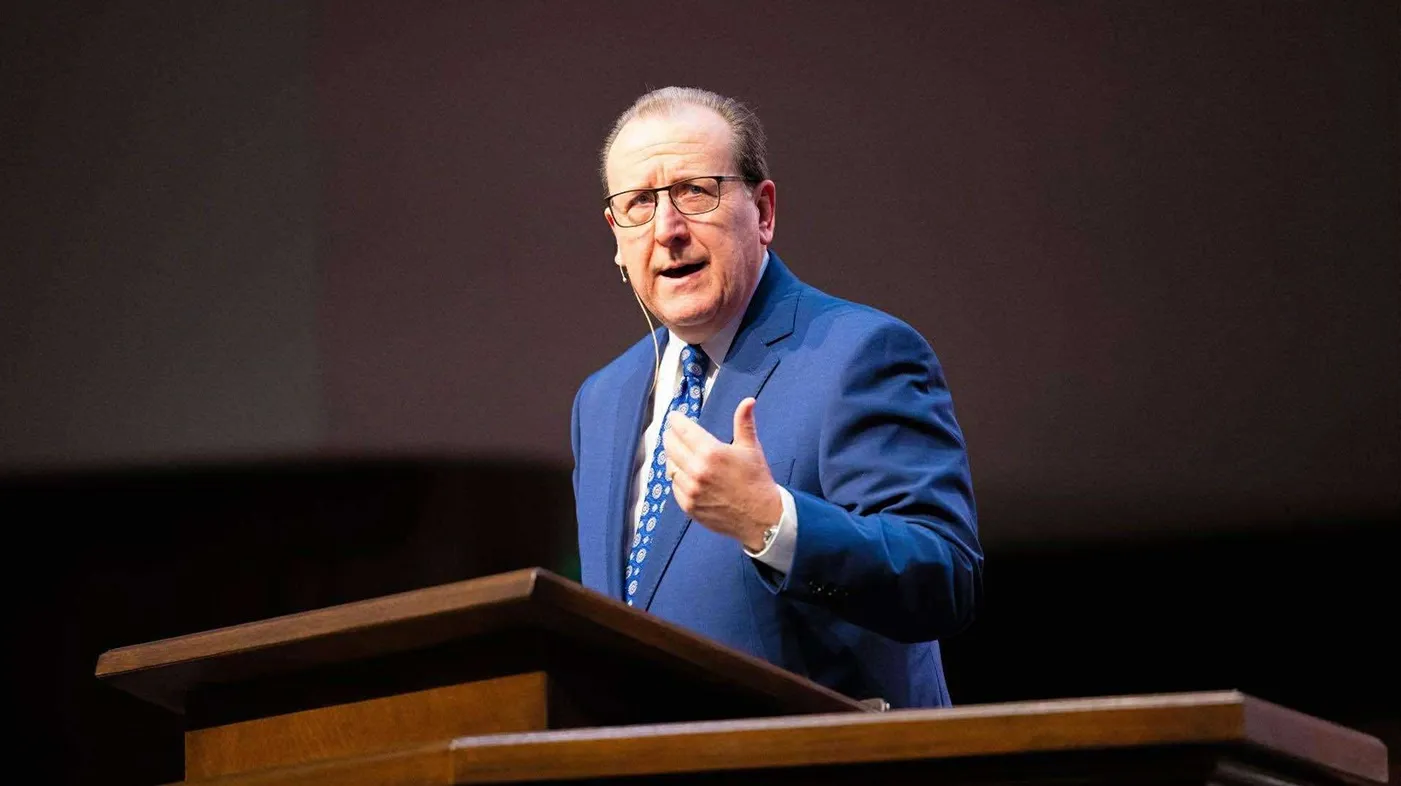
Engage with the most recent teaching from God’s Word.
The preaching of God's Word is central to worship and of the utmost importance for the sanctification of every believer in Christ.

.jpg)
.jpg)

Explore messages organized to help you grow in Christ.
Search and filter sermons for quick access.
Committing to Christian Relationships - Part 3
This sermon, "Committing to Christian Relationships" (Romans 1:8-15), addresses the growing isolation prevalent in modern society and, concerningly, within the church itself, which often fosters segmentation rather than unity. Pastor Tom Pennington emphasizes that such isolation is "completely foreign" to the New Testament's command for believers to engage with the entire, diverse family of God. Drawing from Paul's example in Romans, the message outlines key commitments for Christian relationships. Beyond previously discussed points like thanking God for others, consistent prayer, and enjoying face-to-face fellowship, two crucial commitments are highlighted. Firstly, believers must actively promote the spiritual growth of others. Paul longed to "impart some spiritual gift" (spiritual benefit or truth) to "establish" the Romans, signifying that relationships should prioritize spiritual strengthening, not merely comfort, pleasure, or personal gain. This involves intentionally steering conversations towards spiritual matters through thoughtful questions. Secondly, Christians must pursue the mutual benefits of fellowship. Paul, despite his spiritual maturity, anticipated being encouraged by the Romans' faith, illustrating that all believers, regardless of age or maturity, are strengthened through shared spiritual lives. This essential fellowship occurs both "side-by-side" (in worship and study) and "face-to-face" (in personal interactions and small groups).
Committing to Christian Relationships - Part 2
The sermon challenges the cultural emphasis on personal privacy, asserting that Christians, as interconnected members of the body of Christ, have no right to insulate their lives from fellow believers. Drawing from the early church in Acts 2, it presents a model of shared life, devotion to teaching, fellowship (koinonia), communion, and consistent prayer. This communal existence is rooted in the theological truth that all believers are baptized by one Spirit into Christ's body, as outlined in 1 Corinthians 12, necessitating mutual care and a renunciation of isolation. Pastor Tom Pennington highlights Paul's example in Romans 1:8-15, demonstrating three key commitments: thanking God for other believers, praying for them consistently, and earnestly desiring face-to-face fellowship, submitting this desire to God's will. The sermon cautions against modern social media as a substitute for genuine in-person relationships, which, despite their complexities, are crucial for authentic spiritual growth and community, urging believers to actively pursue and enjoy each other�s physical presence.
Committing to Christian Relationships - Part 1
Pastor Tom Pennington's sermon "Committing to Christian Relationships (Part 1)" contrasts the curated "virtual world" with the "messy" reality of the church. While technology allows us to tailor our experiences and block out discomfort, the church, by divine design, intentionally brings together diverse people from different backgrounds, races, ages, and interests. Paul's bond with the diverse Roman Christians, despite their significant cultural and religious differences, exemplifies this principle. The sermon highlights eight commitments Paul models for healthy Christian relationships from Romans 1:8-15, focusing deeply on the first: to thank God for all brothers and sisters in Christ. Paul consistently thanked "my God through Jesus Christ" for believers' faith, acknowledging it as God's gift, and this wasn't mere politeness; he even gave thanks for problematic churches like Corinth. He practiced "ambivalence"�the coexistence of positive and negative feelings�by choosing to focus on God's work and their strengths rather than their faults. A kaleidoscope analogy illustrates this: focusing on "rocks" (weaknesses) leads to resentment, while seeing "patterns" (strengths) builds relationships. Ultimately, genuine Christians naturally love God's people, and regularly thanking God for fellow believers fosters healthy, Christ-centered relationships.
The Lord is My Shepherd
The sermon begins a series on Psalm 23, highlighting its profound yet often underappreciated richness, comparing it to a valuable sapphire mistaken for a common rock. Authored by David, the psalm�s universal applicability stems from its lack of a specific historical context, making it relevant to every Christian across all circumstances. Its core theme is "Because Yahweh is our Shepherd King, He will always care for us," articulated through David�s three affirmations of trust: "I shall not want," "I will fear no evil," and "I will dwell in the house of the Lord forever." Unpacking "The LORD is my shepherd," the sermon explains "LORD" as Yahweh�God's personal, self-existent name, signifying His sovereignty, compassion, grace, and justice. "Is" denotes His constant, current presence, while "my" emphasizes a deeply personal, individual relationship. "Shepherd" describes God's comprehensive care as a guide, provider, protector, and healer, also connecting to the ancient concept of a benevolent "Shepherd King" who is both powerful and caring. Ultimately, Jesus Christ is presented as the perfect fulfillment of this role, the Good Shepherd who laid down His life for His sheep.
A Case for Cessationism - Part 2
Countryside Bible Church teaches cessationism, asserting that miraculous spiritual gifts like tongues, prophecy, and healing ceased after the first-century Church. This distinctive emphasizes the absolute sufficiency of the Word of God. Pastor Tom Pennington provides seven biblical arguments for this position. First, miracles historically confirmed divinely appointed messengers, a role completed with the Apostles and the closing of new revelation. Second, the gift of apostleship was temporary, ending when its specific qualifications could no longer be met. Third, the Church is built on the *teaching* of the Apostles and foundational New Testament prophets, whose revelatory work is now complete. Fourth, contemporary claims of miraculous gifts (e.g., ecstatic tongues, fallible prophecy, unverified healings) bear almost no resemblance to the New Testament gifts, which were always clear, immediate, and infallible. Fifth, church history, both within the New Testament era and throughout subsequent centuries, demonstrates a consistent decline and cessation of these gifts among leading Christian thinkers. Sixth, the completed canon of Scripture provides everything necessary for life and godliness, making additional revelation redundant. Finally, modern Charismatic practices often disregard the strict New Testament rules for exercising such gifts, suggesting these are not genuine works of the Spirit.
Q & A
Pastor Tom Pennington held a Q&A session, addressing various theological and practical questions. On divorce, he clarified that while God hates it, biblical exceptions exist for infidelity or an unbelieving spouse�s departure; unbiblical divorce is considered adultery, but grace allows for repentance. Regarding Israel, he stated that its current national status isn't a direct fulfillment of end-times prophecy, and believers should focus on being witnesses rather than predicting specific "times or epochs." He explained that salvation is a monergistic work of God, but sanctification (growing in holiness) is synergistic: believers must "work out their salvation" through obedience and effort, as God simultaneously works within them to change their will and capacity to obey. In the Millennium, Jew and Gentile believers will be unified as "one new man" in Christ, with distinctions not clearly defined. Taking the Mark of the Beast is not an unpardonable sin, as God continues to save people during the Tribulation.
No Results Found.
We couldn’t find anything matching your search.
Explore The Word Unleashed
Our ministry brings together expository preaching, theological precision, and practical application for the good of Christ's church and the daily living of Christ's people.
.webp)
Sermons
Listen to expository sermons that clearly teach God’s Word and guide you in daily living.

Radio
Tune in to gospel-centered programs that share biblical truth and strengthen your daily walk with Christ.
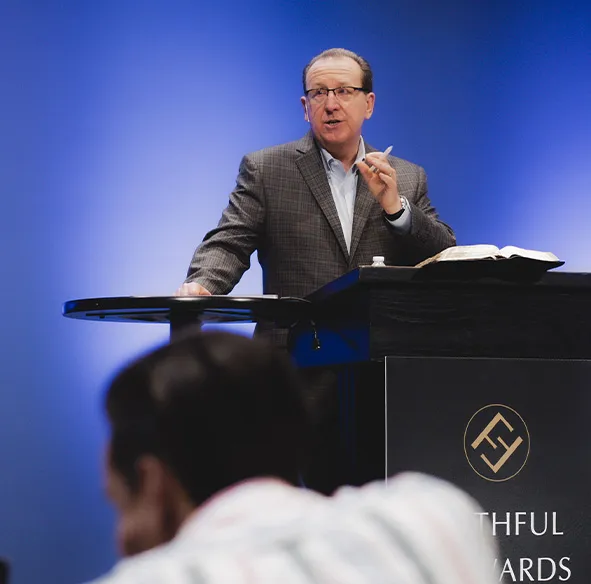
Training
Join courses and workshops designed to deepen your faith and equip you to serve others with biblical wisdom.
.webp)
From the Pastor's Desk
Read pastoral messages that encourage, instruct, and help you apply God’s Word to every part of your life.
.webp)
Hymns
Discover timeless hymns that lift your heart in worship and remind you of God’s abounding grace and faithfulness.
Podcasts
Stay rooted in Scripture through our podcast series.