Sermons That Exalt Christ
The preaching of God’s Word is central to the life of the church. Tom's pulpit ministry is dedicated to providing clear, biblical teaching to equip believers, strengthen faith, and exalt Christ.

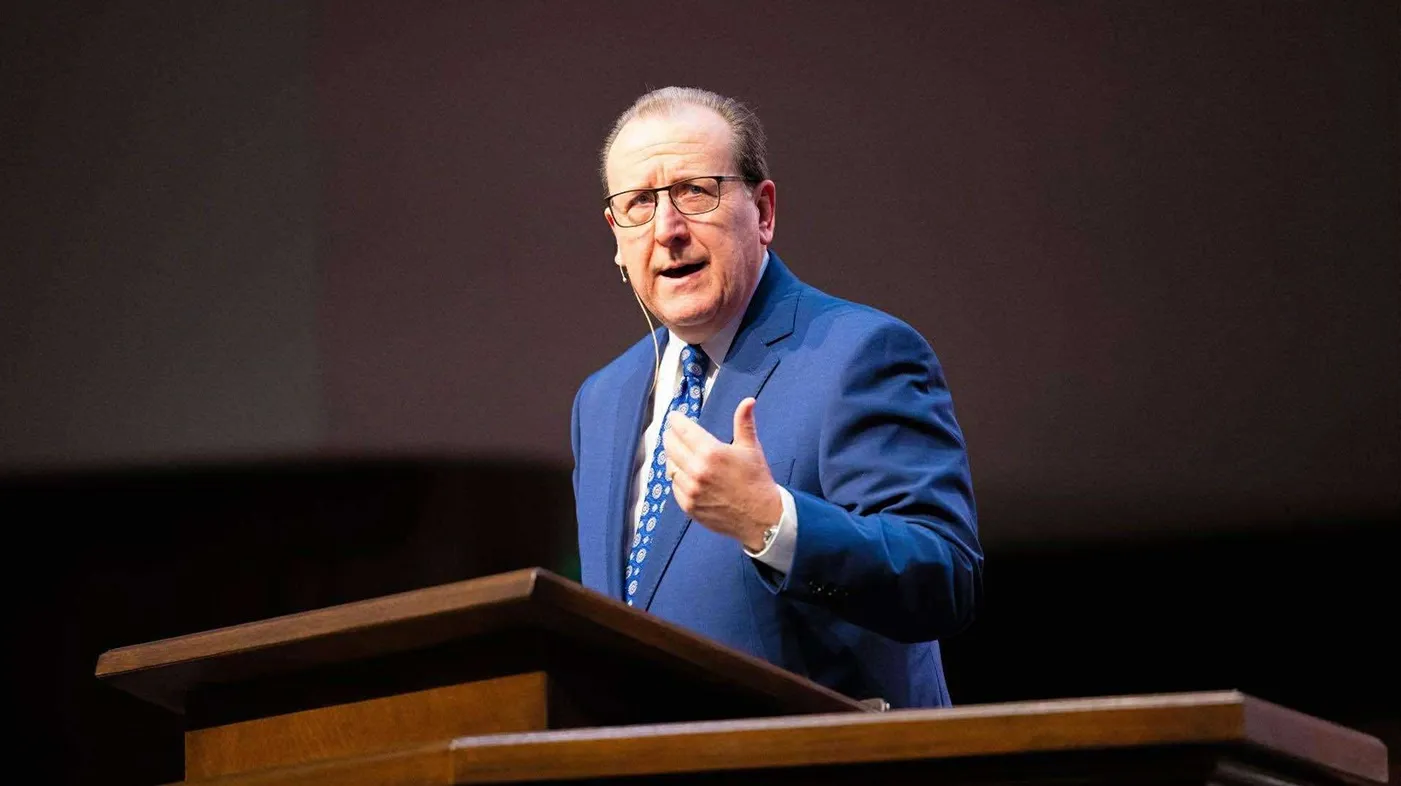
Engage with the most recent teaching from God’s Word.
The preaching of God's Word is central to worship and of the utmost importance for the sanctification of every believer in Christ.

.jpg)
.jpg)

Explore messages organized to help you grow in Christ.
Search and filter sermons for quick access.
A Portrait of Faith - Part 4
This sermon, "A Portrait of Faith (Part 4)," based on Romans 4:17-22, explains and illustrates justifying faith through Abraham's example. Pastor Tom Pennington argues that Paul uses Abraham to demonstrate that salvation has always been by faith alone, not by works. The passage helps identify true saving faith and guides Christians in daily living by faith. Key qualities of saving faith are highlighted: it is biblical, rooted in God's trustworthy character, a certain hope, and often contrary to human expectations. It's a gift of God's grace, founded solely on His Word. Abraham believed God despite his and Sarah's advanced age and physical impossibilities, refusing to waver in unbelief, which the sermon defines as a sin. His faith grew strong by focusing on God's promises and power, giving God glory by acknowledging His truthfulness and ability to perform His Word. Ultimately, faith is the means by which a sinner receives justification�the crediting of Christ's righteousness. It's not faith itself that saves, but Christ saves through faith, acting as the instrument to receive God's gift. This results in being declared righteous and having peace with God, just as Abraham was.
Let Earth Receive Her King! - Part 2
Pastor Tom Pennington's message, "Let Earth Receive Her King!", explores Matthew 2:1-12, presenting Jesus as the promised Messiah and Earth's rightful king. The magi's journey serves as a mirror for humanity's responses to Christ. Four distinct responses emerge: 1. **Settled Indifference:** Most Jerusalem residents were uninterested in the magi's search, prioritizing daily life over spiritual truth. 2. **Religious Distraction:** Priests and scribes knew prophecies of the Messiah's Bethlehem birth but were too absorbed in religious routines to investigate. 3. **Selfish Defiance:** King Herod, paranoid, feigned worship, intending to kill the infant king to protect his own power. 4. **Wholehearted Devotion:** The pagan magi exemplified the correct response. They diligently sought Jesus, rejoiced, submitted by prostrating themselves, and worshipped with lavish, symbolic gifts: gold (kingship), frankincense (divinity), and myrrh (destined death). Pennington concludes this narrative showcases God's sovereign grace, testifies to the Messiah's arrival, and extends an invitation for all to acknowledge Jesus as their rightful king, deserving of complete devotion.
Let Earth Receive Her King! - Part 1
Pastor Tom Pennington's sermon "Let Earth Receive Her King! (Part 2)" unpacks Matthew 2:1-12, asserting Jesus as the promised Messiah and Earth's only rightful king. The narrative centers on the magi, Persian priest-scientists, who, informed by centuries of Jewish prophecy, traveled to Jerusalem seeking the newborn "King of the Jews." Pennington identifies three "typical sinful responses" to Jesus as king. First, the "settled indifference" of Jerusalem's populace, who ignored the magi's urgent inquiries. Second, the "religious distraction" of the chief priests and scribes, who knew the Messiah's birthplace from scripture but showed no devotion to investigate. Third, Herod's "selfish defiance," rooted in paranoia, led him to feign worship while secretly plotting the new king's death. Conversely, the magi embody the "only right response": "wholehearted devotion." Despite their pagan past, they traveled great distances, rejoiced profoundly upon finding Jesus, demonstrated submission by prostrating themselves, and worshipped Him with lavish gifts�gold (for a king), frankincense (for God), and myrrh (foreshadowing His death). The sermon concludes by explaining God's purposes for the magi's visit: their salvation (God sought them), a powerful testimony to the Messiah's arrival, and an invitation for everyone to believe the gospel.
A Portrait of Faith - Part 3
The sermon "A Portrait of Faith" (Romans 4:17-22) addresses common misconceptions about faith, highlighting how a flawed understanding, like Andrew Murray's mystical approach, can lead to tragic disillusionment. Pastor Tom Pennington explains that Abraham's example in Romans 4 reveals true biblical faith, building on prior points that faith is biblical, rooted in God's character, a certain hope, and contrary to human expectations. Two more vital qualities are discussed. Firstly, saving faith is a gift of God's grace, divinely enabling belief as seen in Lydia's conversion or Ephesians 2:8-9. This divine gift doesn't remove human responsibility but empowers belief for God's purposes, including reaching others. Secondly, and most crucially, saving faith is founded exclusively on God's Word. It is not based on visions, feelings, subjective revelations, or personal interpretations that override Scripture. Abraham's faith rested on God's "bare Word" or spoken promises in Genesis 15. For believers today, faith must be grounded solely in the written Word of God. Abraham comprehended and believed the spiritual aspects of God's covenant: his sinfulness, justification by faith alone, and the promise of a Redeemer.
Old Testament: The Pentateuch - Part 3
This sermon, part of an Old Testament overview, explores God's overarching theme of redeeming a people through His Son, with the Old Testament revealing the need for and foreshadowing the Redeemer's arrival. Focusing on the Exodus and wilderness wanderings, the sermon highlights Moses's choice of God's people over Egyptian power, anticipating the Messiah. The ten plagues served an evangelistic purpose, demonstrating God's supremacy over false deities. At Sinai, God covenanted with Israel to be a "kingdom of priests," a witness nation, a mission now shared by the church. The Tabernacle symbolized God's presence and prefigured Christ "tabernacling" among humanity. Crucially, Sinai established two systems: the sacrificial system and the Mosaic Law. The sacrificial system's core truth is that sinful humanity approaches a holy God solely through sacrifice. These sacrifices, commanded for all and demanding a sincere heart, were substitutionary but never the ultimate basis for forgiveness, instead picturing Christ's coming human sacrifice. Priests also taught God's Word. The Mosaic Law, comprising moral (Ten Commandments), civil, and ceremonial aspects, reflects God's character. The moral law, written on consciences and affirmed by Christ, guides believers and exposes unbelievers, demanding both internal and external obedience, summarized by loving God and neighbor.
A Portrait of Faith - Part 2
This sermon outlines key qualities of justifying faith, stressing that "without faith it is impossible to please Him." True faith believes in the one true God and His trustworthiness; to disbelieve is to call Him a liar. Expanding on prior teaching that saving faith involves knowledge, assent, and trust, this sermon outlines further qualities. First, faith is profoundly reasonable, rooted in God's character. Abraham believed because God "gives life to the dead" (physically, spiritually, and raised Christ) and "calls into being that which does not exist" (creation, and calling future believers His own). God's power makes His promises completely reliable, as nothing is impossible for Him. Faith strengthens through knowing God better via Scripture. Second, saving faith entails a certain hope in God's promise. Unlike a mere wish, biblical hope is a joyful, confident expectation of what is absolutely certain but not yet realized. Abraham exemplified this by embracing his new name as "father of many nations" before Isaac's birth; believers likewise hope for future glorification. Finally, saving faith believes God's "bare word" even when contrary to flawed human expectations and logic, such as the justification of the ungodly.
No Results Found.
We couldn’t find anything matching your search.
Explore The Word Unleashed
Our ministry brings together expository preaching, theological precision, and practical application for the good of Christ's church and the daily living of Christ's people.
.webp)
Sermons
Listen to expository sermons that clearly teach God’s Word and guide you in daily living.

Radio
Tune in to gospel-centered programs that share biblical truth and strengthen your daily walk with Christ.
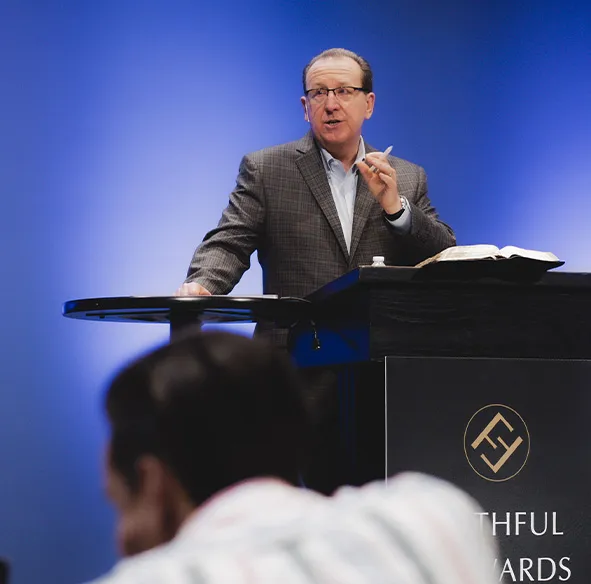
Training
Join courses and workshops designed to deepen your faith and equip you to serve others with biblical wisdom.
.webp)
From the Pastor's Desk
Read pastoral messages that encourage, instruct, and help you apply God’s Word to every part of your life.
.webp)
Hymns
Discover timeless hymns that lift your heart in worship and remind you of God’s abounding grace and faithfulness.
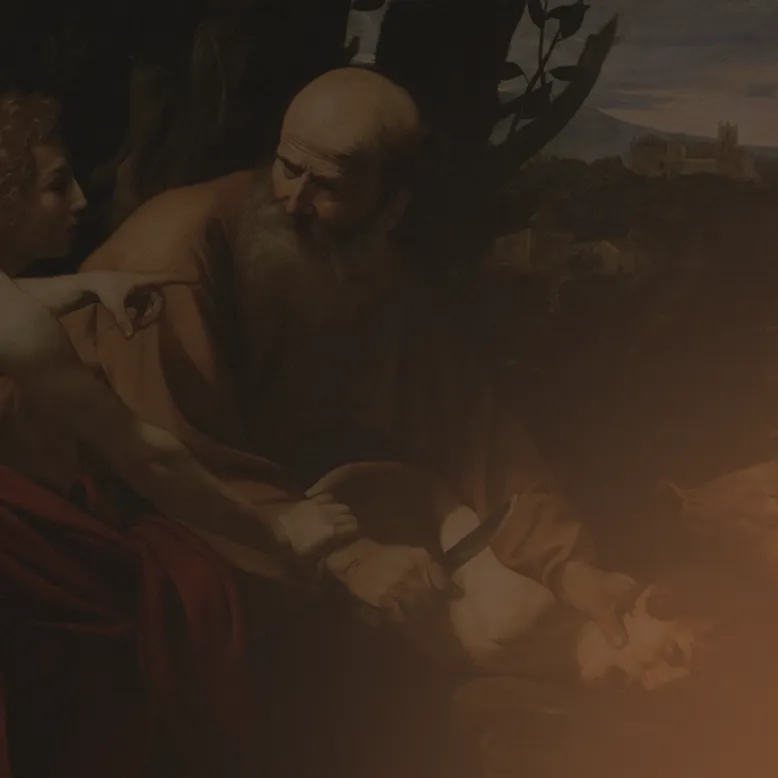
Podcasts
Stay rooted in Scripture through our podcast series.