Sermons That Exalt Christ
The preaching of God’s Word is central to the life of the church. Tom's pulpit ministry is dedicated to providing clear, biblical teaching to equip believers, strengthen faith, and exalt Christ.

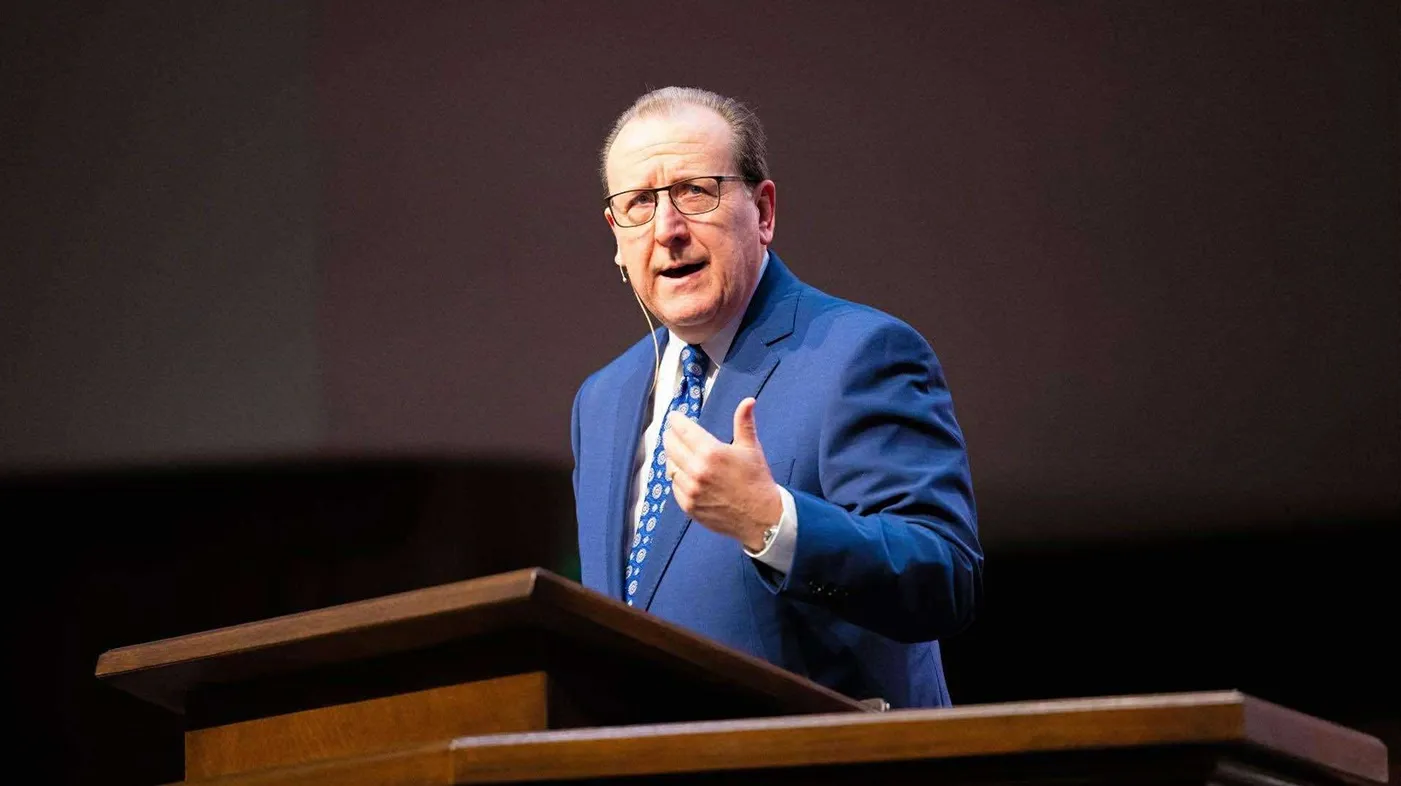
Engage with the most recent teaching from God’s Word.
The preaching of God's Word is central to worship and of the utmost importance for the sanctification of every believer in Christ.

.jpg)
.jpg)

Explore messages organized to help you grow in Christ.
Search and filter sermons for quick access.
A Gospel Response to Government - Part 3
Tom Pennington's sermon on Romans 13:1-7, titled "A Gospel Response to Government," asserts that human government is a divine mandate, not a human construct. God established authority as a gracious protection against the chaos of fallen humanity, illustrating this by contrasting it with the lawless period of the Judges. The core command is universal: "Every person is to be in subjection to the governing authorities, for there is no authority except from God, and those which exist are established by God." Pennington clarifies what this *doesn't* mean: God doesn't approve every ruler's character, methods, or how they came to power, nor is He *immediately* responsible for their evil actions. While God is sovereign, He permits Satan limited influence over worldly governments and nations. However, God is *ultimately* responsible for appointing all earthly rulers, either directly or by allowing Satan to do so, for His purposes�sometimes as blessings, sometimes as judgment. This also signifies God's ultimate plan to reclaim the world and establish His perfect kingdom under Christ. Consequently, believers are called to submit to, obey, and honor all government authorities, even those considered evil or unjust, recognizing God's ultimate sovereignty and remembering their heavenly citizenship while awaiting Christ's return.
A Gospel Response to Government - Part 2
In this sermon on Romans 13:1-7, Pastor Tom Pennington examines the divine origin of human government. Contrasting biblical truth with secular theories like the social contract or Marxism, Pennington argues that the state is not a human invention but an institution ordained by God. Consequently, Paul commands every person to submit to governing authorities. Pennington explains that God, as Creator, possesses ultimate authority but delegates limited power to humanity to maintain order and restrain sin. This delegated authority exists in four specific spheres: husbands in marriage, parents over children, elders in the church, and civil government over citizens. Citing examples from Genesis, Daniel, and Jesus� trial before Pilate, the sermon demonstrates that God sovereignly establishes all nations and rulers, including unjust ones. While acknowledging biblical exceptions for disobedience only when human laws contradict God's laws, the primary focus remains on submission. Believers are called to respect government not merely as a civic duty, but as an act of obedience to God. Ultimately, Christians must recognize that resisting legitimate authority is equivalent to resisting the ordinance of God Himself.
An Unjust Death, Peaceful Protests, & Violent Riots
Pastor Tom Pennington offers a biblical perspective on recent national events, urging believers to adopt the mind of Christ rather than conforming to political polarities. He identifies the core issue as justice, highlighting God's unwavering commitment to impartial justice for all, free from prejudice. Christians are called to pursue justice for every individual, irrespective of race or profession, actively rooting out partiality and hatred from their own hearts. While supporting legal reforms for equal treatment, Pennington cautions against aligning with organizations or philosophies, such as Critical Race Theory, that promote anti-biblical views. He asserts that the real problem is sin, acknowledging the lasting impact of slavery and defining racism biblically as partiality, prejudice, and hatred�sins inherent in humanity. He also condemns sinful anger, bitterness, and violence, even as a response to injustice, though peaceful protest is permissible. The lasting solution to these issues, Pennington concludes, is the gospel of Jesus Christ, which alone can transform hearts and foster love among all people. Ultimately, Jesus Christ is presented as the only perfect ruler who will faithfully establish justice on earth.
Q&A with Tom - Part 1
In a Sunday Evening Online Q&A, Pastor Tom Pennington, joined by Jonathan Anderson, addressed several congregational questions. The first topic explored whether it is sinful for churches to refrain from physically gathering due to government restrictions. Pastor Tom explained that while Scripture commands believers to assemble (Hebrews 10), church history includes precedents for temporary cessation during emergencies. The duration, he noted, becomes a "matter of conscience" for a church's elders, who must prayerfully discern when restrictions become excessive or unjust, potentially warranting a Romans 13 response to obey God over man. He advised erring on the side of patience while recognizing when that line is crossed. Next, they distinguished Christian fellowship from mere socialization. "Koinonia," meaning partnership, encompasses an objective reality as believers and a deeper, subjective sharing of lives. This includes mutual encouragement through faith, discussing spiritual growth, struggles, and praying together, as exemplified in Romans 1:12. It's about intentional depth beyond casual interaction. Regarding 2 Chronicles 7:14, Tom clarified that the promise of healing and forgiveness is specifically addressed to God's chosen people, Israel, not a generic promise to nations like America.
A Gospel Response to Government - Part 1
In his sermon on Romans 13:1-7, Pastor Tom Pennington addresses the Christian�s duty to submit to governing authorities. He establishes the historical context, noting that Paul wrote these instructions while living under the tyrant Nero, demonstrating that submission applies even to flawed governments. Pennington cautions against two extremes: mindless unlimited obedience and a rebellious spirit that constantly seeks loopholes. While the text commands submission, Pennington outlines specific biblical exceptions where disobedience or resistance is permissible. These legitimate responses include graciously speaking against sin, utilizing legal means for redress, fleeing unjust punishment, and refusing to obey when government mandates conflict directly with God�s law. However, he emphasizes that these are exceptions, not the rule. Believers must guard their hearts against disrespect, maintaining a spirit of honor even when exercising these rights. Ultimately, the sermon challenges Christians to examine their attitudes toward authority to ensure they reflect a submissive heart consistent with God's sovereign establishment of human government.
A Faithful Life
Pastor Tom Pennington's sermon "A Faithful Life" (1 Corinthians 15:58) encourages believers to remain steadfast regardless of life's circumstances, from joys to global pandemics. He outlines three theological foundations for living faithfully. First, understanding and believing the Gospel�that Christ died, was buried, and rose again, requiring personal faith, repentance, and commitment to follow Him. Second, believing in Jesus's resurrection, which validates our faith, God's revelation, forgiveness, and the promise of eternal life. Third, believing in our own future resurrection, recognizing this life as a temporary prelude to eternity, providing perspective and endurance through hardship. A faithful life is expressed through three core principles: being steadfast by holding fast to God's Word and its truths, being immovable by clinging to the hope of the Gospel and future resurrection, and always abounding in the work of the Lord�diligently serving God and others in spiritual activities. This tireless commitment is sustained by the biblical confidence that our toil is never in vain; God is just and will ultimately reward every act of faithful service. Believers are called to prioritize eternal truths, God's Word, and people's souls, knowing their efforts here have lasting significance.
No Results Found.
We couldn’t find anything matching your search.
Explore The Word Unleashed
Our ministry brings together expository preaching, theological precision, and practical application for the good of Christ's church and the daily living of Christ's people.
.webp)
Sermons
Listen to expository sermons that clearly teach God’s Word and guide you in daily living.

Radio
Tune in to gospel-centered programs that share biblical truth and strengthen your daily walk with Christ.
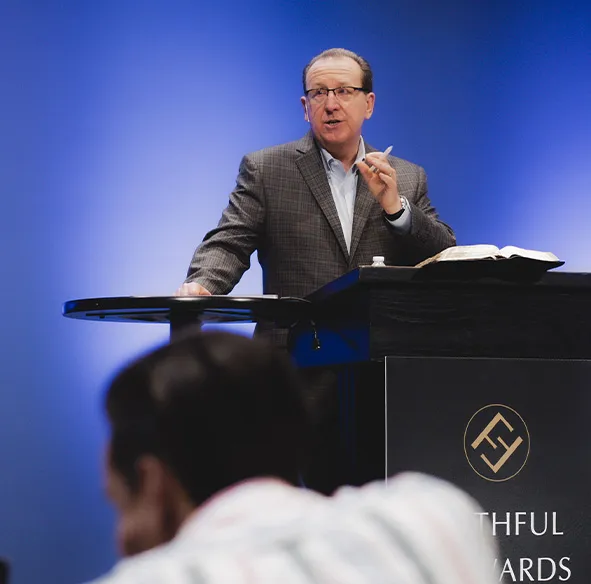
Training
Join courses and workshops designed to deepen your faith and equip you to serve others with biblical wisdom.
.webp)
From the Pastor's Desk
Read pastoral messages that encourage, instruct, and help you apply God’s Word to every part of your life.
.webp)
Hymns
Discover timeless hymns that lift your heart in worship and remind you of God’s abounding grace and faithfulness.

Podcasts
Stay rooted in Scripture through our podcast series.