Sermons That Exalt Christ
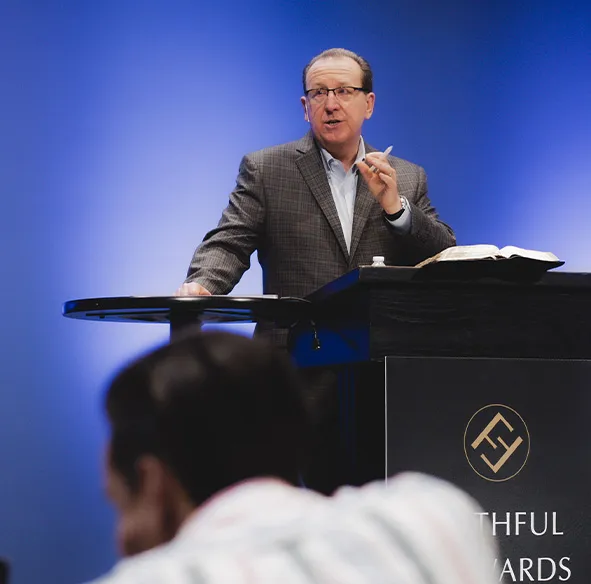
The preaching of God’s Word is central to the life of the church. Tom's pulpit ministry is dedicated to providing clear, biblical teaching to equip believers, strengthen faith, and exalt Christ.


Engage with the most recent teaching from God’s Word.
The preaching of God's Word is central to worship and of the utmost importance for the sanctification of every believer in Christ.

.jpg)
.jpg)

Explore messages organized to help you grow in Christ.
Search and filter sermons for quick access.
God's Sermon on His Name - Part 2
Countryside Bible Church's sermon application, "God�s Sermon on His Name," Pt.2, from Exodus 33-34, centers on how God's self-revelation in this passage corrects our "inadequate, idolatrous views" of Him. It aims to replace them with a profound glimpse into His true holiness, greatness, and goodness. As A.W. Tozer observed, our deep-seated conception of God profoundly shapes our very being. The sermon outlines God�s gracious revelation through His name, highlighting two primary attributes. First, God is holy; His character prevents Him from compromising His law for sinful humanity, thereby necessitating a mediator. Moses briefly filled this role, foreshadowing Christ's ultimate mediation. Second, God is great; He must condescend�or "descend"�to interact with man, demonstrating His "LORD"-ship (Yahweh), which signifies His self-existence, eternality, and immutability. The application encourages reflection on how our view of God practically influences our lives, the crucial need for a mediator due to sin's separation, and the significance of God's condescension. Understanding God's divine name (LORD/Yahweh) and its implications for His character should fundamentally deepen our worship and reverence for the true and living God.
Our Eternal Home is the New Earth - Part 1
In a sermon titled "Our Eternal Home is the New Earth (Part 1)," Pastor Tom Pennington challenges the common perception of heaven, asserting from scripture that believers' eternal home will be a new, physical earth, not an ethereal heaven. He explains that the current universe will undergo a complete destruction by fire, with the "first heaven and first earth" passing away, signifying their utter cessation, much like pain and death will cease to exist. Following this divine "uncreation," God will fulfill prophecies by creating new heavens and a new earth. This new world will be physical and material, similar to our present one but perfected, featuring cities like the New Jerusalem, mountains, nations, and more, though notably "no longer any sea" to symbolize the absence of unrest and sin. The greatest joy will be God's manifest presence among His people, who will experience no tears, death, mourning, crying, or pain, as all sorrow and sin will be gone. God, the Alpha and Omega, guarantees this future, offering entry without cost to those who believe and faithfully follow Christ.
God's Sermon on His Name - Part 1
Pastor Tom Pennington's sermon, "God�s Sermon on His Name," explores Exodus 33-34, focusing on God's self-revelation in light of Israel's sin. The ominous backdrop details Israel's idolatry with the golden calf at Mount Sinai; despite recent commands, the restless people made an idol, leading to a drunken orgy. God's measured judgment killed 3,000, and His presence withdrew outside the camp, illustrating the separation sin causes. Moses then made three audacious requests. First, he interceded for God's personal presence to accompany Israel, not just an angel. God agreed, demonstrating the power of intercessory prayer through a divine mediator (the pre-incarnate Christ). Second, Moses asked to know God's "ways"�His predictable patterns of behavior. God promised to proclaim His name and explain His goodness. Third, Moses requested to see God's full glory. God responded that no one can see His face and live, but promised a partial, veiled glimpse, an "afterglow." Pennington concludes that through Jesus Christ, believers now experience these blessings more fully: God's abiding presence, a growing knowledge of His ways through His Word, and the ultimate privilege of seeing His glory. These incredible gifts are granted solely through God's sovereign grace and mercy, not human merit.
Christ's Unchanging Cause
Pastor Tom Pennington's sermon, delivered amidst the upheaval of COVID-19, emphasizes that while much in the world changes, Christ's character and His central cause remain steadfast. His unchanging cause is the Church. Jesus came to Earth for the Church, promised to build it, placed it at the heart of the Great Commission, leads and cherishes it, died for it, purifies it, and will return for it. The term "church" (ekklesia) primarily refers to local assemblies of believers, not just the universal body or a building. Therefore, the local church should be central to every Christian's life. To adopt Christ's cause, believers must commit to four essential duties: 1. **Worship:** Faithfully gathering with God's people, even when circumstances are challenging, to engage in corporate worship. 2. **Fellowship:** Actively loving His people through shared life, mutual care, and edification, both side-by-side and face-to-face. 3. **Service:** Utilizing spiritual gifts to serve His people within the church, recognizing that serving them is serving Christ Himself. 4. **Evangelism:** Reaching His people with the gospel, understanding it as Christ's ongoing mission to save those given to Him by the Father.
No Results Found.
We couldn’t find anything matching your search.
Explore The Word Unleashed
Our ministry brings together expository preaching, theological precision, and practical application for the good of Christ's church and the daily living of Christ's people.
.webp)
Sermons
Listen to expository sermons that clearly teach God’s Word and guide you in daily living.

Radio
Tune in to gospel-centered programs that share biblical truth and strengthen your daily walk with Christ.
Training
Join courses and workshops designed to deepen your faith and equip you to serve others with biblical wisdom.
.webp)
From the Pastor's Desk
Read pastoral messages that encourage, instruct, and help you apply God’s Word to every part of your life.
.webp)
Hymns
Discover timeless hymns that lift your heart in worship and remind you of God’s abounding grace and faithfulness.

Podcasts
Stay rooted in Scripture through our podcast series.