Sermons That Exalt Christ
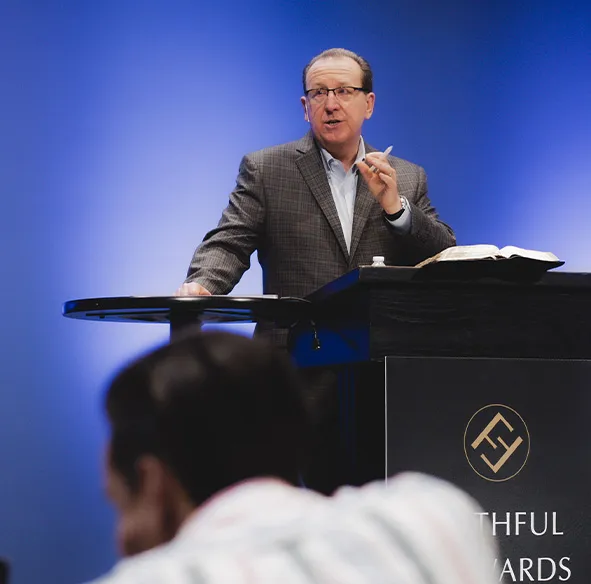
The preaching of God’s Word is central to the life of the church. Tom's pulpit ministry is dedicated to providing clear, biblical teaching to equip believers, strengthen faith, and exalt Christ.


Engage with the most recent teaching from God’s Word.
The preaching of God's Word is central to worship and of the utmost importance for the sanctification of every believer in Christ.

.jpg)
.jpg)

Explore messages organized to help you grow in Christ.
Search and filter sermons for quick access.
To Infinity and Beyond
The text explores God's omnipresence, defining it as His being everywhere present, filling all space, and His immensity as being unlimited by space, which He Himself created. God is not physically confined or moving; biblical references to Him "coming down" or "leaving" denote special manifestations for specific purposes, rather than actual spatial relocation. He is distinct from His creation, not identical with it (not pantheism). Key propositions highlight that God is unbound by space, yet He fills all space in the totality of His being, not diffused. While God is everywhere, He chooses specific parts of space for special manifestations, and His omnipresence serves various purposes: sustaining the universe, judging the wicked, and blessing believers. This profound truth means access to God is always available through Christ, not confined to a building. It acts as a terror for unbelievers with nowhere to hide from judgment, a comfort for Christians promised His constant presence, and a purifying influence, reminding us to live "coram Deo"�before God�s face�knowing He perceives all. Sin causes a spiritual removal from His blessing presence, which repentance can restore, and in eternity, believers will experience a unique, intimate manifestation of God�s omnipresence.
In High Definition - Part 2
Pastor Tom Pennington's sermon "In High Definition, Part 2" from Philippians 2:19-30 presents Epaphroditus as a profound model of a person God honors. Far from mere travel plans, this passage, like Eric Liddell's story, illustrates how ordinary believers can earn divine honor. Epaphroditus, an unassuming layperson from Philippi, is immortalized for qualities every Christian should emulate. Firstly, he was a **Christian Brother**, a genuine believer deeply committed to God's family and caring for fellow believers' needs. Secondly, a **Fellow Worker**, actively engaged in ministry rather than being a spectator. Thirdly, a **Fellow Soldier**, possessing a "wartime mindset," willing to endure hardship and self-denial for Christ's cause. Fourthly, a **Trustworthy Steward**, dependable and faithful in all responsibilities, big or small. Fifthly, a **Loving Friend**, demonstrating selfless concern for others, even while gravely ill himself, reflecting Christ's humility. Finally, a **Courageous Christian**, willing to take significant risks, even his life, for Christ's work, mirroring the early church's "risk-takers." Pennington urges listeners to respond by thinking about, esteeming, and imitating such individuals. Epaphroditus, though not famous or a church leader, became an eternal model by prioritizing Christ's service, demonstrating that God honors those who live out these Christ-like characteristics.
The Great Sacrifice
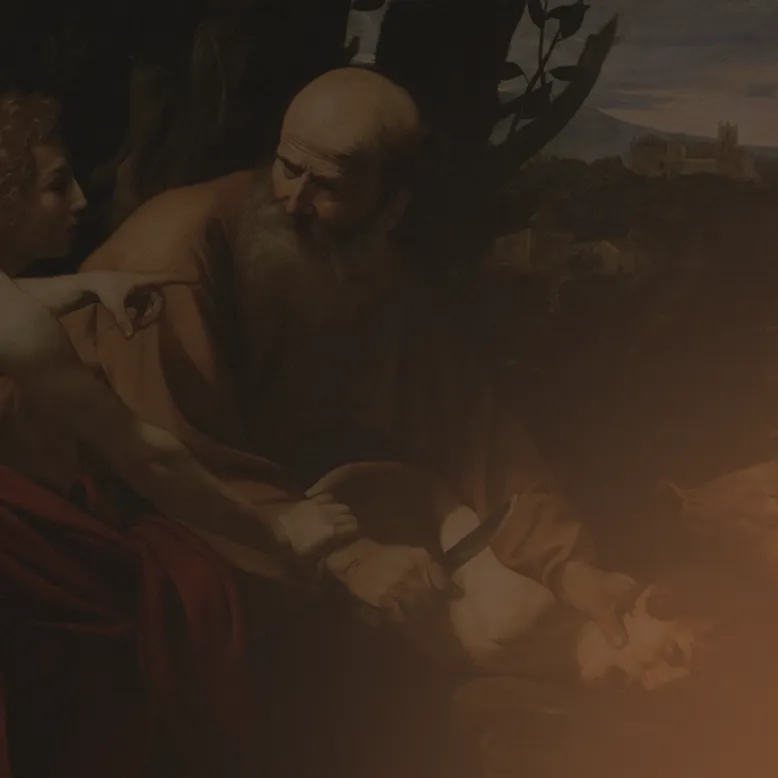
Pastor Tom Pennington introduces the Old Testament sacrificial system by recounting a vivid experience of witnessing a pagan animal sacrifice in India, noting it's a distorted echo of humanity's inherent understanding that sacrifice is needed to approach God. He outlines five foundational truths revealed through these Old Testament practices, which ultimately point to Jesus Christ. First, **God demands sacrifice from every person** due to His perfect holiness and humanity's sinfulness; this is now fulfilled solely through Christ's sacrifice. Second, the **sacrifice is for God**, intended to satisfy His wrath�a "soothing aroma"�rather than being a work for the worshiper's justification. Old Testament believers were justified by faith, expressing their need for God's mercy through sacrifice. Third, **sacrifice is always substitutionary**: an innocent life dies in place of the guilty, as Christ perfectly demonstrated by enduring God's wrath in our stead. Fourth, **animal sacrifices were never the grounds for permanent forgiveness**; they were merely a "shadow" and a "reminder of sins," incapable of truly expiating guilt. Finally, **God is ultimately satisfied only with a perfect human sacrifice**: His Son, Jesus Christ, the God-man.
God of Eternity
The sermon "God of Eternity" by Tom Pennington delves into the mysterious concept of time, contrasting humanity's limited understanding and experience with God's eternal nature. While humans are driven and controlled by time, experiencing its swift passage, God exists entirely outside of it�He is uninfluenced, unmoved, and unhurried. God's eternity is defined by three core components: He had no beginning, He will have no end, and crucially, in His being, there is no succession of moments. God created time, sees all time (past, present, and future) with equal vividness, and yet actively relates to and acts within human history. This profound attribute carries significant implications for believers. God's eternity guarantees His absolute sovereignty, ensuring He is perpetually in charge. It strengthens confidence in His promises, both for blessings and judgments, as His plans unfold on His perfect, unhurried timetable. Furthermore, God's eternal nature provides a steadfast anchor and refuge for our transient, time-driven lives, offering security amidst life's challenges. Ultimately, recognizing God�s timelessness alongside our innate sense of eternity and fleeting existence drives us to Christ, through whom eternal life and God's boundless, everlasting grace are revealed and secured for all who believe.
Unchangeable
The sermon details God's unchangeability, or immutability, as a foundational divine attribute. Unlike the constantly changing world and humanity, God never differs from Himself; He remains constant in His being, perfections, purposes, and promises. Biblical passages such as Malachi 3:6, Hebrews 1:10-12, and James 1:17 affirm this, demonstrating God's unwavering character, eternal plans (unaffected by human limitations), covenant faithfulness, and revealed truth. While Scripture occasionally describes God "repenting" or changing His mind (e.g., Genesis 6:5, Jonah), these are interpreted not as alterations to His eternal plan but as His immutable responses to human repentance or sin, often representing warnings with implied conditions. The doctrine of impassability clarifies that God is not subject to involuntary emotional shifts but chooses to be affected by humanity's experiences. The practical implications of God's immutability are profound: it establishes the Bible as a trustworthy and enduring guide, guarantees an unchanging relationship with believers, ensures permanent forgiveness for sins, promises certain punishment for the wicked, and, most crucially, guarantees our eternal salvation, offering strong encouragement and hope.
In High Definition - Part 1
In "In High Definition, Part 1 Philippians 2:19-30," Tom Pennington introduces Christian biography as God's truth in "high definition," offering clear, living examples of how to apply biblical principles. He points to Hebrews 11 as an illustration and then focuses on Paul's use of Timothy in Philippians 2:19-30 as a high-definition model of an excellent servant. Pennington outlines six essential character qualities that made Timothy invaluable: 1. **A biblical mindset:** Timothy was a "kindred spirit" to Paul, having learned to think and act like him through deep engagement with Scripture. 2. **Genuine concern for people:** He genuinely cared for the welfare of others, motivated by sincere compassion rather than self-interest. 3. **Selfless devotion to Christ:** Timothy prioritized Christ's interests over his own, demonstrating radical self-denial. 4. **A pattern of faithfulness:** He possessed "proven worth," exhibiting consistent dependability and reliability over years of service. 5. **A passion for evangelism:** Actively engaged in spreading the gospel, he lived with a deep desire to see others come to faith. 6. **A humble spirit:** Timothy served Paul "like a child serving his father," willingly taking a humble position and foregoing personal ambition, even when Paul's own status was low.
No Results Found.
We couldn’t find anything matching your search.
Explore The Word Unleashed
Our ministry brings together expository preaching, theological precision, and practical application for the good of Christ's church and the daily living of Christ's people.
.webp)
Sermons
Listen to expository sermons that clearly teach God’s Word and guide you in daily living.

Radio
Tune in to gospel-centered programs that share biblical truth and strengthen your daily walk with Christ.
Training
Join courses and workshops designed to deepen your faith and equip you to serve others with biblical wisdom.
.webp)
From the Pastor's Desk
Read pastoral messages that encourage, instruct, and help you apply God’s Word to every part of your life.
.webp)
Hymns
Discover timeless hymns that lift your heart in worship and remind you of God’s abounding grace and faithfulness.
Podcasts
Stay rooted in Scripture through our podcast series.