Sermons That Exalt Christ
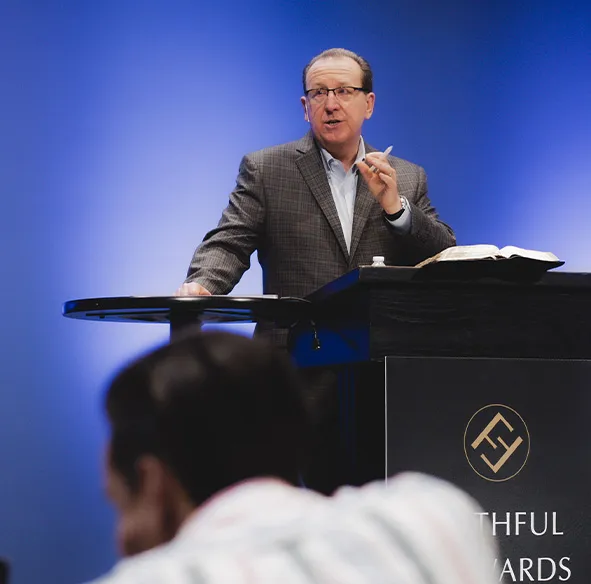
The preaching of God’s Word is central to the life of the church. Tom's pulpit ministry is dedicated to providing clear, biblical teaching to equip believers, strengthen faith, and exalt Christ.


Engage with the most recent teaching from God’s Word.
The preaching of God's Word is central to worship and of the utmost importance for the sanctification of every believer in Christ.

.jpg)
.jpg)

Explore messages organized to help you grow in Christ.
Search and filter sermons for quick access.
God Knows
The text, "Systematic Theology: God Knows," defines God's omniscience as His infinite, perfect, and comprehensive knowledge. God knows all things instantaneously, simultaneously, eternally, infallibly, and exhaustively, never learning or forgetting. He perfectly knows Himself, everything actual (past and present), all things possible (even hypotheticals like Sodom's potential repentance), and all things future, as proven by specific prophecies like Cyrus's. This total foreknowledge is a cornerstone of His deity, distinguishing Him from idols. The implications are significant. God's mind is accessible only through His self-revelation (scripture). Nothing we think, say, or do is hidden from Him, underscoring the need for confession and repentance. Simultaneously, His omniscience offers immense comfort: nothing occurs outside His perfect awareness, and He deeply cares for us, even in trials. He alone is the accurate judge of hearts, teaching humility in judging others. Furthermore, God's wisdom ensures that both His ultimate goals and the means He employs are always the best possible. Ultimately, God's complete knowledge of us, despite our flaws, is the foundational source of a believer's security and acceptance.
Just By Faith Alone - Part 3
Pastor Tom Pennington's sermon "Justification Just by Faith Alone (Part 3)," based on Philippians 3:1-11, warns against the perilous error of placing confidence in human merit for salvation, much like the fatal mistake of those who ignored warnings on 9/11. He defines biblical justification as God declaring a believing sinner righteous solely by the death of Jesus Christ. Pennington explains that Paul, despite his impeccable religious credentials, utterly dismantled any hope of gaining God's approval through human effort. The sermon outlines seven false hopes people mistakenly rely upon: religious ritual (e.g., circumcision, baptism), ethnic background (being "born Christian"), spiritual heritage (being from a specific tribe or godly home), traditional lifestyle (cultural purity), religious association (belonging to a "right" group like the Pharisees), spiritual zeal (enthusiastic devotion, even if misguided), and one's own righteousness (outward obedience to the Law). Paul initially considered these as gains, but after experiencing Christ, he counted them as "loss" and "rubbish." The sermon emphasizes that the Law's purpose is to reveal sin, not to save, and that sincerity or even a minuscule personal contribution to salvation undermines the complete work of Christ.
Absolute Power - Part 2
Tom Pennington's sermon, "Systematic Theology Absolute Power (Part 2)," explores God's omnipotence�His absolute and unrestrained power. Pennington illustrates this by contrasting the sun's immense power, a mere "whisper" in creation, with God's ability to effortlessly speak the entire universe into existence. Even awe-inspiring natural phenomena, like hurricanes, conceal more of God's infinite power than they reveal. While God is all-powerful, His omnipotence is always consistent with His perfect nature; He cannot lie, contradict His own attributes, or perform logically impossible actions. These "inabilities" are not weaknesses but demonstrations of His flawless character. For believers, understanding God's absolute power has profound implications: it calls for fear and humility, assures us of His active power for our sanctification, guarantees the fulfillment of all His promises, and provides ultimate protection and security for our eternal salvation. God's power orchestrates all life's events for our good, offers strength in trials, and empowers evangelism by making salvation possible for all. Ultimately, His omnipotence guarantees the certain fulfillment of His eternal plan, providing immense comfort and inspiring worship for such a mighty and sovereign God.
Just By Faith Alone - Part 2
This sermon, drawing from Philippians 3:1-11, addresses humanity's most profound question: "How can a man be just or righteous before God?" It posits two fundamental answers: human effort and merit, or God's grace alone through faith alone, crediting Christ's righteousness. The speaker emphasizes justification (being declared righteous) as absolutely essential to Christian faith, being the source of joy, the focus of Scripture, and a safeguard for eternity. He warns that justification is constantly under attack, historically by Judaizers who added works like circumcision to faith, and today by any group that adds human effort to God's grace for salvation. The core of the message identifies three marks of true Christians, the "true circumcision": they worship God in the Spirit, meaning their entire life is a Spirit-empowered act of worship and service, not mere external ritual. They glory solely in Christ Jesus, boasting only in His finished work rather than their own accomplishments. Finally, they put no confidence in the flesh, understanding they contribute absolutely nothing to their salvation, recognizing that righteousness comes solely by grace. True believers place all their trust and reliance completely in Jesus Christ alone for their standing before God.
Just By Faith Alone - Part 1
The sermon, drawing from Philippians 3:1-11, centers on "Justification by Faith Alone" as Christianity's indispensable foundation. Theologians like Martin Luther asserted the Church cannot endure without it. Only two paths to righteousness exist: God's gift by faith or human effort. Paul seeks to reignite appreciation for this amazing grace. Justification is essential, first, as the source of true joy, stemming from Christ's imputed righteousness which covers all sin and credits His perfect life to believers. It consistently appears as Scripture's focus and the essence of Paul's ministry, safeguarding against gospel misunderstanding, unbelief, and counterfeits. Second, justification is constantly attacked. Paul warned against "Judaizers" ("dogs, evil workers, false circumcision") who added human effort like circumcision and law-keeping to faith for salvation. Modern versions still add works to faith, replacing Christ's "done" work with human "do." Scripture insists on repentance and belief in the gospel alone. This doctrine demands fierce defense, exemplified by Paul confronting Peter's compromise. Believers must uphold this central truth, just as reformers like Latimer died for it.
Absolute Power - Part 1
Tom Pennington's sermon explores God's omnipotence, defining it through two aspects: His sovereign will and His power to execute it. God's "decretive will" refers to everything He has determined from eternity past that *will* certainly come to pass, often remaining secret until fulfilled. Examples include the creation of the universe by His word, Joseph's life, and Christ's crucifixion, all orchestrated by God's plan. This will is free, immutable, and efficacious. In contrast, God's "preceptive will" is His revealed moral commands and ideals in Scripture. This includes what God *desires* (e.g., all to repent, be perfect) but may *not* always come to pass, as it depends on human obedience. For believers, this understanding has crucial ramifications: (1) obey God's revealed precepts, (2) humbly submit to His sovereign, decretive will for your life, (3) trust God to ultimately bring good from all circumstances (Romans 8:28), and (4) make non-moral life decisions using biblical wisdom. This involves praying for wisdom, searching scripture for principles, seeking godly counsel, analyzing legitimate options, making a decisive choice in faith, and thanking God for His providential direction, rather than relying on arbitrary signs.
No Results Found.
We couldn’t find anything matching your search.
Explore The Word Unleashed
Our ministry brings together expository preaching, theological precision, and practical application for the good of Christ's church and the daily living of Christ's people.
.webp)
Sermons
Listen to expository sermons that clearly teach God’s Word and guide you in daily living.

Radio
Tune in to gospel-centered programs that share biblical truth and strengthen your daily walk with Christ.
Training
Join courses and workshops designed to deepen your faith and equip you to serve others with biblical wisdom.
.webp)
From the Pastor's Desk
Read pastoral messages that encourage, instruct, and help you apply God’s Word to every part of your life.
.webp)
Hymns
Discover timeless hymns that lift your heart in worship and remind you of God’s abounding grace and faithfulness.
Podcasts
Stay rooted in Scripture through our podcast series.