Sermons That Exalt Christ
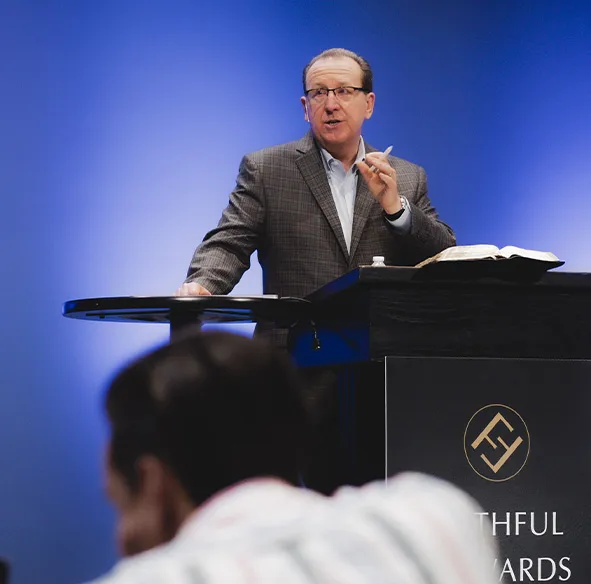
The preaching of God’s Word is central to the life of the church. Tom's pulpit ministry is dedicated to providing clear, biblical teaching to equip believers, strengthen faith, and exalt Christ.


Engage with the most recent teaching from God’s Word.
The preaching of God's Word is central to worship and of the utmost importance for the sanctification of every believer in Christ.


Explore messages organized to help you grow in Christ.
Search and filter sermons for quick access.
Learning How to Walk
In "Learning How to Walk," Pastor Tom Pennington explains Philippians 3:17-21, urging Christians to translate their desire to know Christ into daily conduct. He outlines three instructions for a Christ-centered life. First, "follow the right examples." Believers should imitate Paul and other mature Christians�from Scripture, history, and their own communities�who reflect Christ's teaching. Everyone models someone, so choose good role models, and also strive to be a worthy example for others, especially family. Second, "watch out for false claims." Paul laments "enemies of the cross of Christ"�professing Christians whose actions contradict their faith. Their characteristics include: destruction as their end, their appetite as their god, glorying in their shame, and minds set on earthly things. Pennington stresses that behavior always reveals true belief; genuine faith leads to good works. Third, "set your mind on heaven's glory." True Christians remember their heavenly citizenship, eagerly await Jesus Christ's return, and anticipate the transformation of their humble bodies into glorious ones like His. This eternal perspective motivates their earthly walk. Pennington concludes with the call to "change your ways or change your name," challenging believers to walk consistently with their identity in Christ.
Grace Unknown
Pastor Tom Pennington's sermon "Grace Unknown" defines grace as God's unmerited favor towards those deserving only wrath, contrasting it with merit-based religions. He illustrates this with King Manasseh, an exceptionally wicked ruler who sacrificed his sons and led Judah to extreme evil. Despite his profound sin, when Manasseh humbled himself in captivity and cried out to God, God graciously heard him and restored him, showing that grace is extended even to the most undeserving. Pennington emphasizes that grace is eternal, free, and sovereign, meaning God chooses recipients not based on their merit, as all deserve judgment. Grace is comprehensively expressed in salvation (gospel, forgiveness, election, justification) and continues through sanctification, strengthening believers for life and service. It extends into eternal blessings, as humanity will perpetually need God's favor due to inherent sinfulness. Practical applications include: crying out for grace in need; recognizing that believers "stand in grace," living in its constant provision; relying on its sufficiency in trials; and never abusing it as an excuse for sin. Moreover, believers should extend grace to others and actively cultivate humility�by submitting to authority, serving, and humbling oneself under God's providence�as God gives grace to the humble but opposes the proud.
God's Unseen Hand
Pastor Tom Pennington introduces the doctrine of God's providence, defining it as God's unseen hand actively sustaining and governing all events in His universe for His own glory. He illustrates this by contrasting everyday processes (like water becoming wine in nature) with overt miracles, asserting both demonstrate God's constant activity. Providence is crucial because God possesses an eternal plan and absolute sovereignty. Through "concurrence," God, as the first cause, superintends human free choices and natural laws (second causes) to fulfill His perfect will, without being responsible for sin. God's providence extends universally, controlling the physical world, the affairs of nations (including leaders), seemingly accidental events, and every detail of individual lives�from birth to free decisions and even sinful acts, which God ultimately redeems for good. Understanding this doctrine is vital for rightly facing life's circumstances and is foundational to faith. Pennington advises against using providence as an excuse for sin or neglecting responsibility. Instead, believers should humbly submit to God's will, recognize His providential care works for their good, overcome fear, and cultivate deep gratitude for everything He orchestrates in their lives.
Mighty, Yet Merciful!
The text explores the profound attribute of God's mercy, highlighting Him as "mighty yet merciful." Mercy is defined as God's disposition to relieve the misery and distress of fallen creatures, stemming from His deep compassion and active desire to help, irrespective of what they deserve. It's distinguished from grace (goodness to those deserving punishment) and patience (withholding deserved punishment). The speaker emphasizes that the Old Testament, often misconstrued as solely about justice, extensively portrays God's mercy. God's mercy extends to all creation, to those who fear Him, and even, for temporal needs, to His enemies. Its expressions include general care and provision, physical deliverance from dangers, and most significantly, eternal salvation. The text asserts that God's mercy is the ultimate ground of election, His sovereign choice rather than human will or effort. In response, believers should express gratitude, seek salvation by repenting and pleading for pardon, and extend mercy to others by assisting the distressed and being quick to forgive. We are also encouraged to plead for God's mercy in times of trouble, temptation, and when confessing sin, trusting in His compassionate nature.
Run to Win
Pastor Tom Pennington's sermon "Run to Win" from Philippians 3:12-16 compares the Christian life to a foot race, using the apostle Paul as the ultimate model. Opening with the story of a marathon runner who cheated, Pennington stresses the importance of an honest, dedicated finish. Paul's driving ambition was to "know Christ, be like Him, and be with Him," a mindset Christians should emulate. Pennington outlines six skills for running the Christian race effectively: 1. **Recognize the opportunity to win:** Perfection isn't achieved in this life, but the prize is still attainable, so don't quit. 2. **Expend maximum effort:** Pursue Christ with intense zeal, understanding this is the purpose for which Christ "laid hold" of us. 3. **Maintain single-minded concentration:** Forget past failures or successes and "reach forward" to what lies ahead, avoiding distractions. 4. **Focus on the prize:** Aim for the "upward call of God in Christ Jesus"�the full knowledge and likeness of Christ in glory�which all who finish will receive. 5. **Keep the right mindset:** Spiritually mature believers will adopt Paul's attitude of continuous pursuit, trusting God for guidance on lesser issues. 6. **Stay on course:** Live consistently with the spiritual truths and standards already attained.
He Is Good!
Pastor Tom Pennington's sermon, "Systematic Theology He is Good!", unpacks the foundational attribute of God's goodness, a truth echoed from childhood prayers. He asserts that doubting God's goodness, as Eve did, is the root of all sin. God is the *summum bonum*, the ultimate good, and His goodness is essential for sound theology and moral sanity. God's goodness is His divine perfection that inspires Him to deal bountifully and kindly with all creatures. He is inherently good, existing perfectly before creation, and is the source of every good gift, from nature's beauty to human senses. God extends His goodness universally to all creation, sustaining and providing for everyone, even His enemies, sending sun and rain. This general goodness is intended to lead unbelievers to repentance, exposing their ingratitude. For believers, understanding God's goodness strengthens faith, fosters praise and thanksgiving, inspires reverent fear, and compels them to do good to all people, especially fellow believers. It also encourages them to cast their anxieties on Him, knowing He cares. Believers are encouraged to anticipate God's goodness throughout their lives and into eternity, where they will be perfectly satisfied with Him.
No Results Found.
We couldn’t find anything matching your search.
Explore The Word Unleashed
Our ministry brings together expository preaching, theological precision, and practical application for the good of Christ's church and the daily living of Christ's people.

Sermons
Listen to expository sermons that clearly teach God’s Word and guide you in daily living.

Radio
Tune in to gospel-centered programs that share biblical truth and strengthen your daily walk with Christ.
Training
Join courses and workshops designed to deepen your faith and equip you to serve others with biblical wisdom.

From the Pastor's Desk
Read pastoral messages that encourage, instruct, and help you apply God’s Word to every part of your life.

Hymns
Discover timeless hymns that lift your heart in worship and remind you of God’s abounding grace and faithfulness.

Podcasts
Stay rooted in Scripture through our podcast series.